Accessibility Tools

Skip to main content

See Something? Say Something! Report Suspicious Activities Here! - PCTAM.NET

ADA Compliance Information Click Here to learn more.

Quick Translate

Primary

Primary

911candlelightvigil

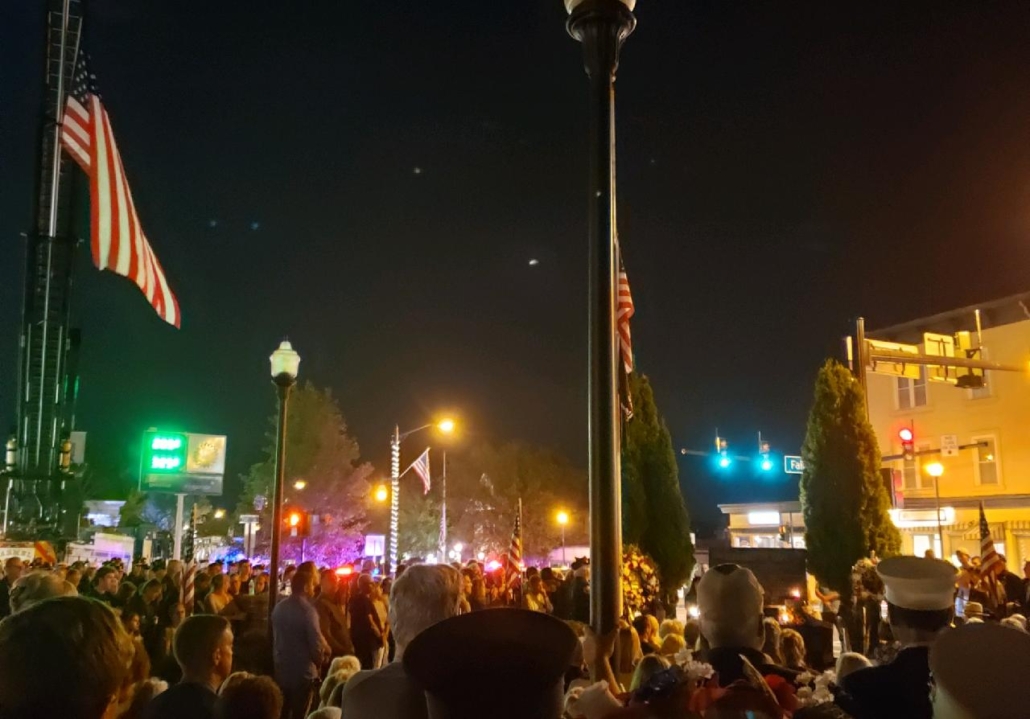
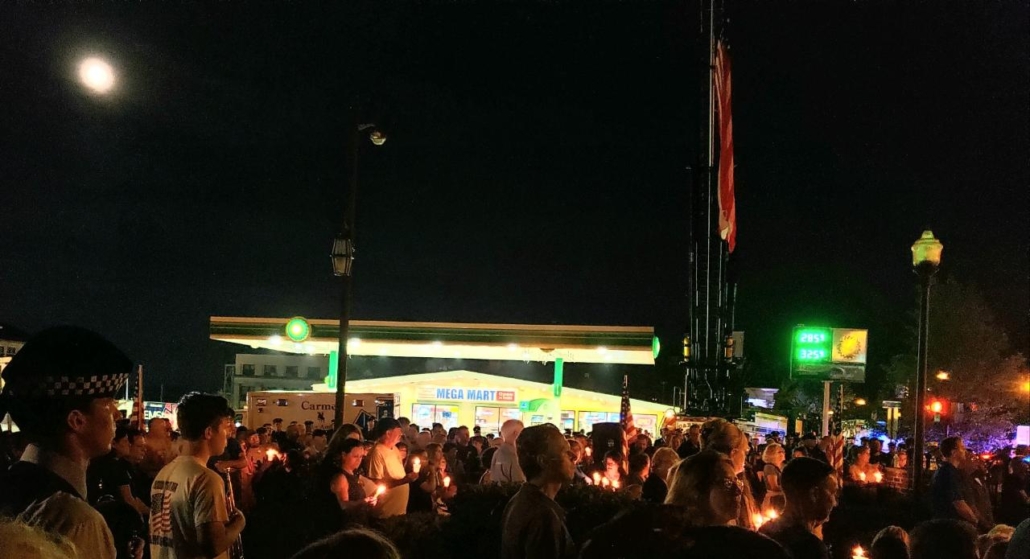
PUTNAM COUNTY SEPTEMBER 11TH CANDLE LIGHT VIGIL

WATCH THE REPLAY HERE!

PUTNAM COUNTY’S ANNUAL SEPTEMBER 11TH CANDLE LIGHT VIGIL WILL BE HELD ON THURDAY, SEPTEMBER 11, 2025 AT THE PUTNAM HEROES MEMORIAL LOCATED AT SPAIN CORNERSTONE PARK, 1 FAIR ST, CARMEL, NEW YORK STARTING AT 7:00 PM

Watch the Replay


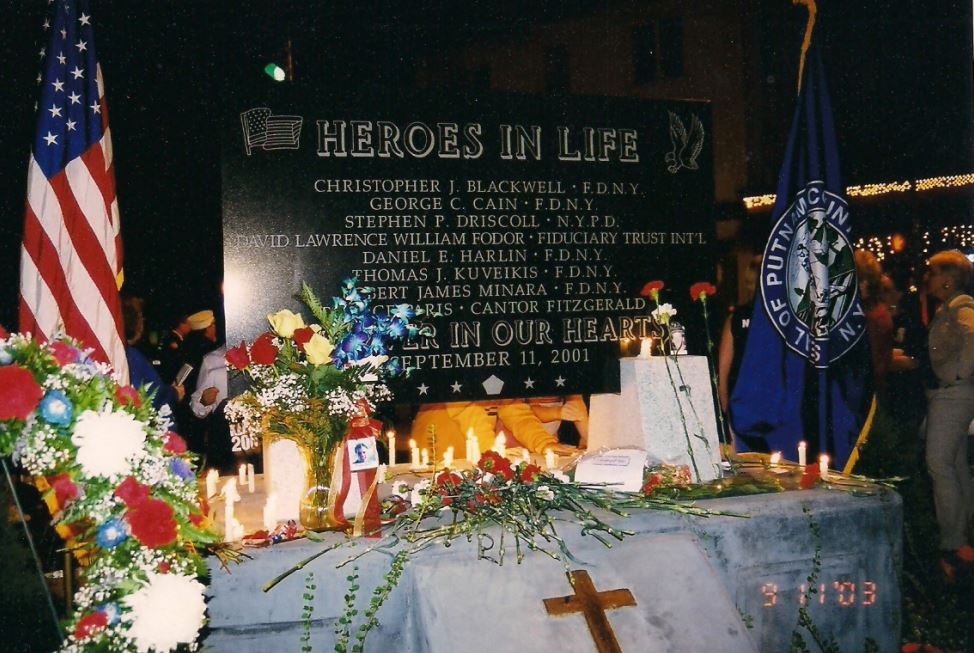
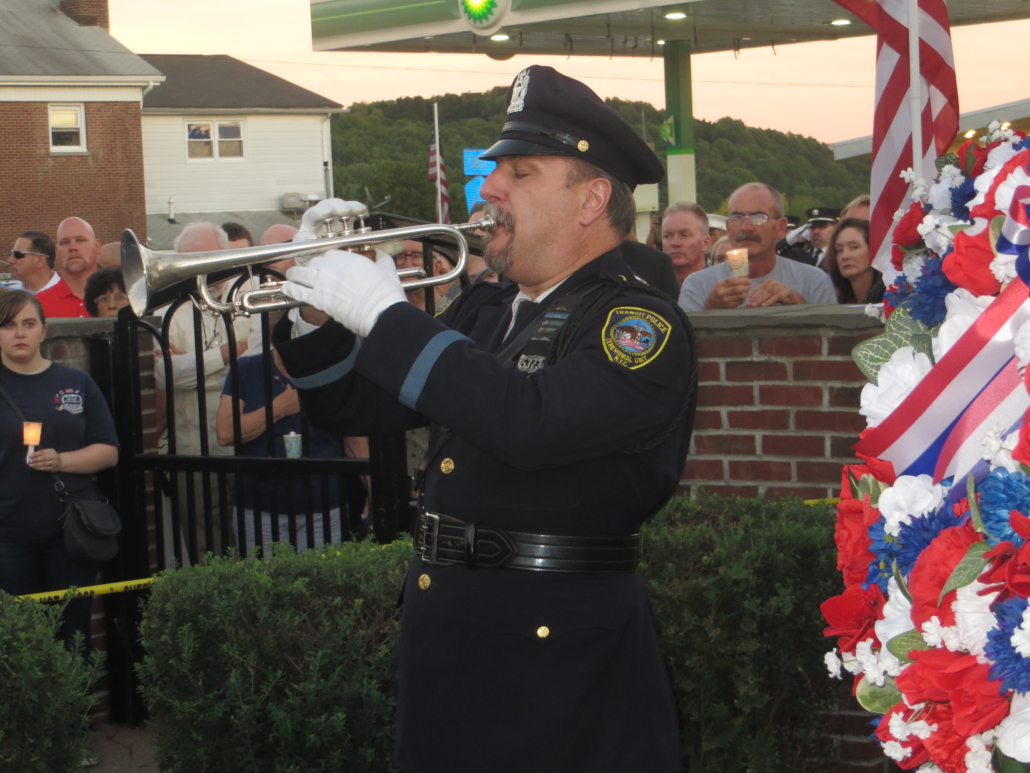
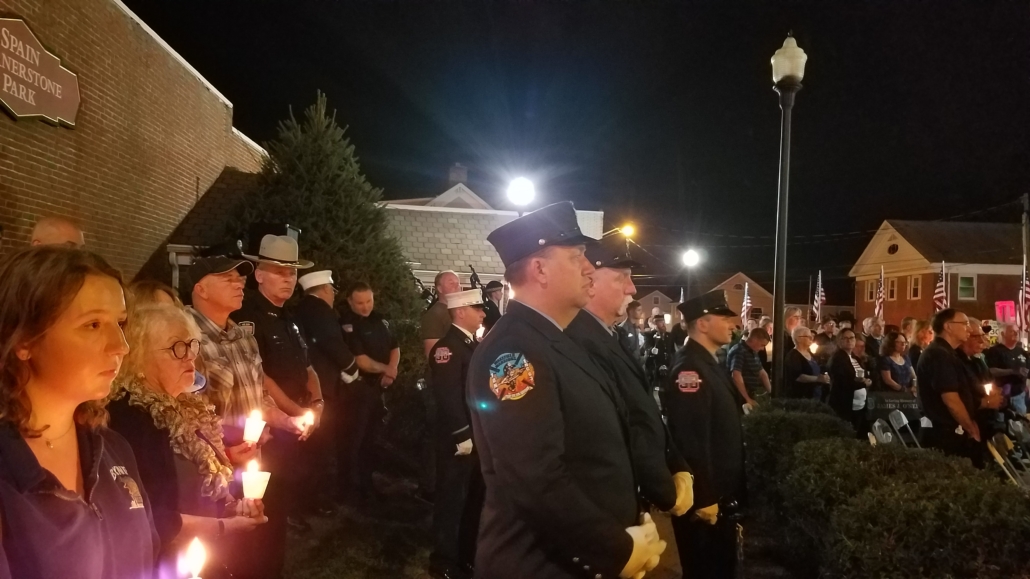
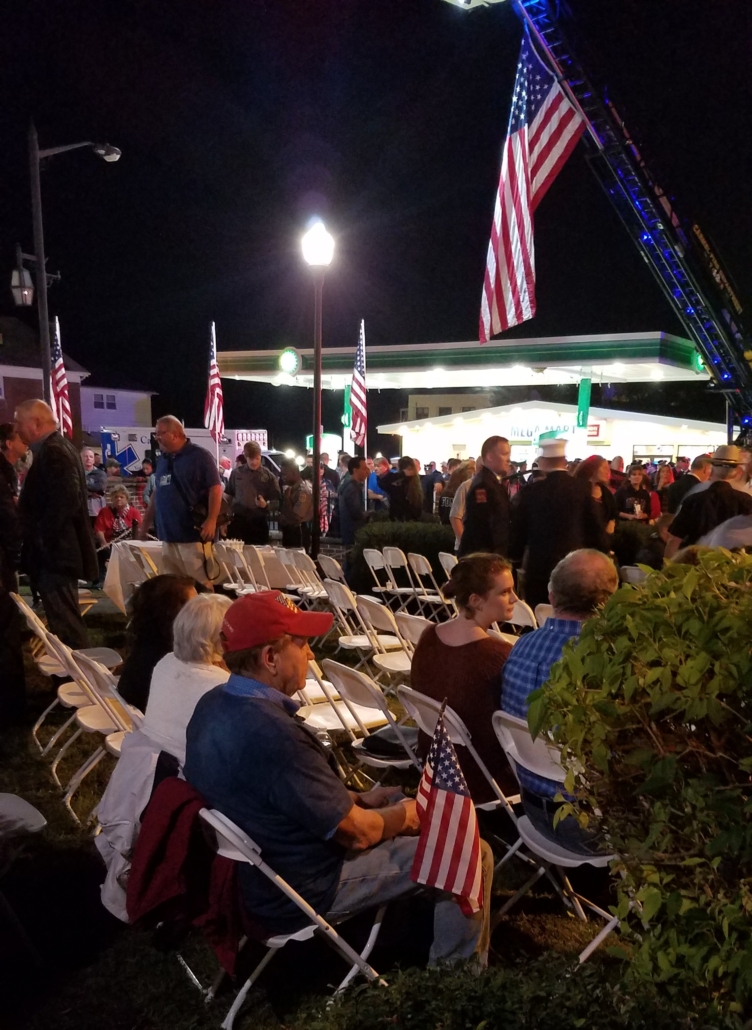
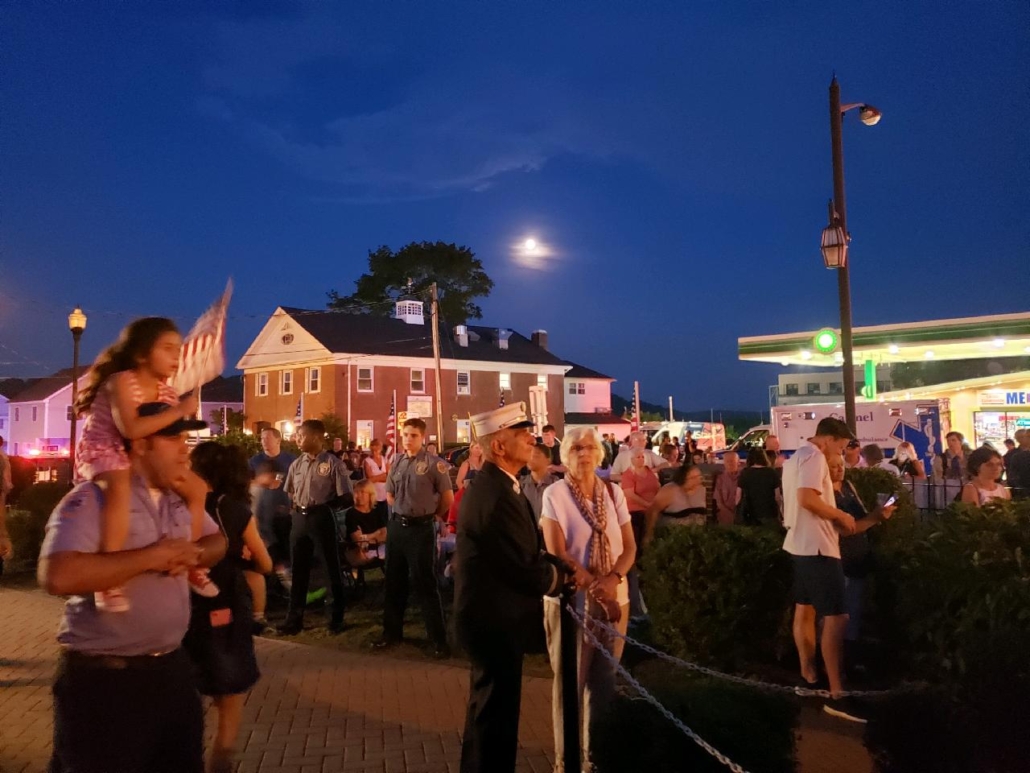
Putnam County’s annual September 11th Candlelight Vigil will be held on Thursday, September 11, 2025, at the Putnam Heroes Memorial located at Cornerstone Park, 1 Fair Street, Carmel, NY at 7:00 PM 

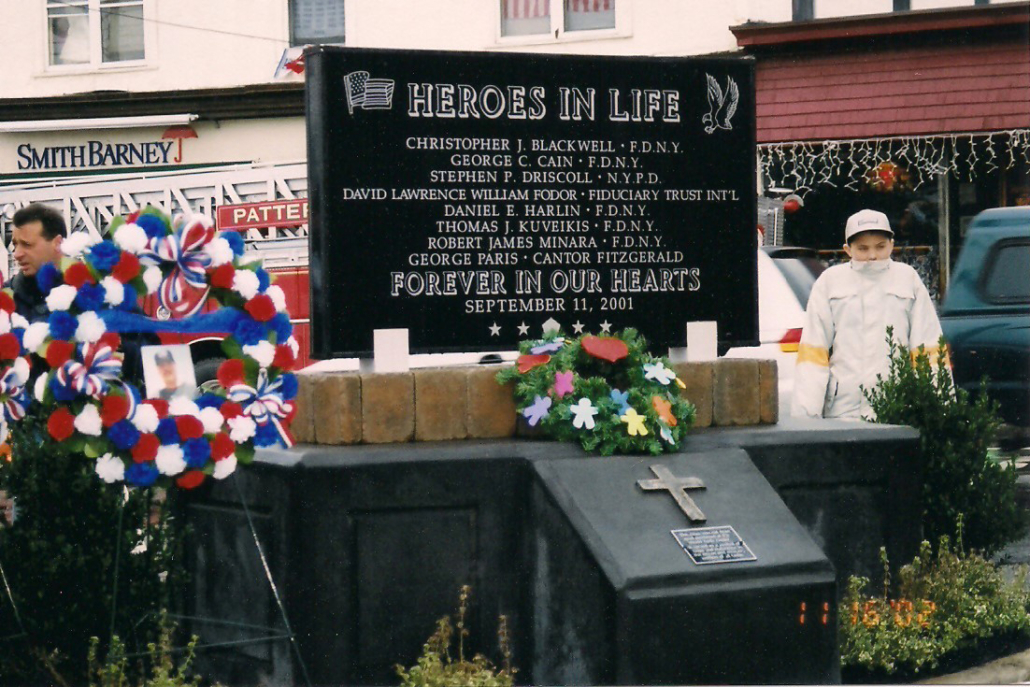
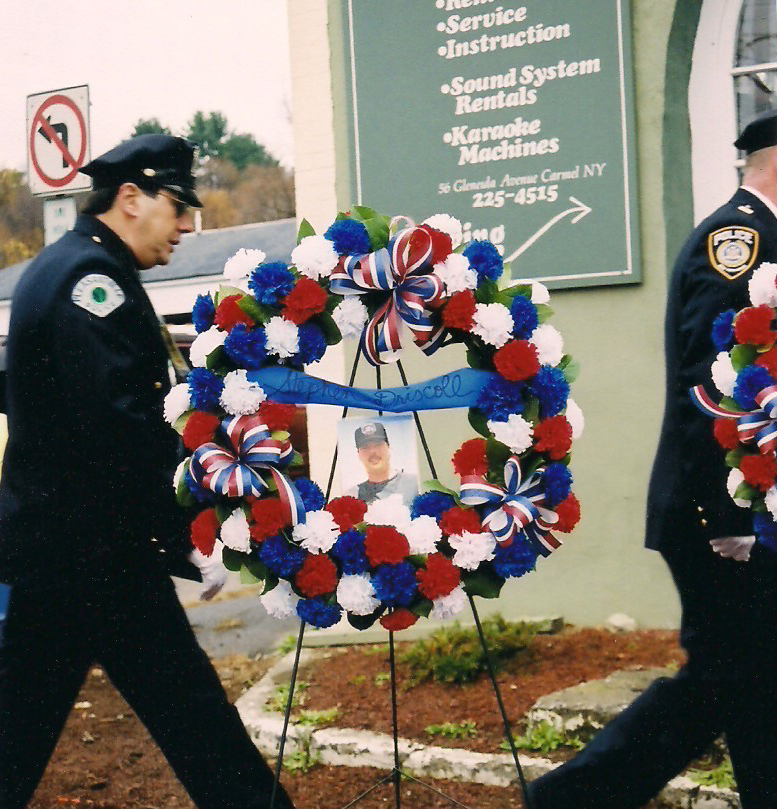
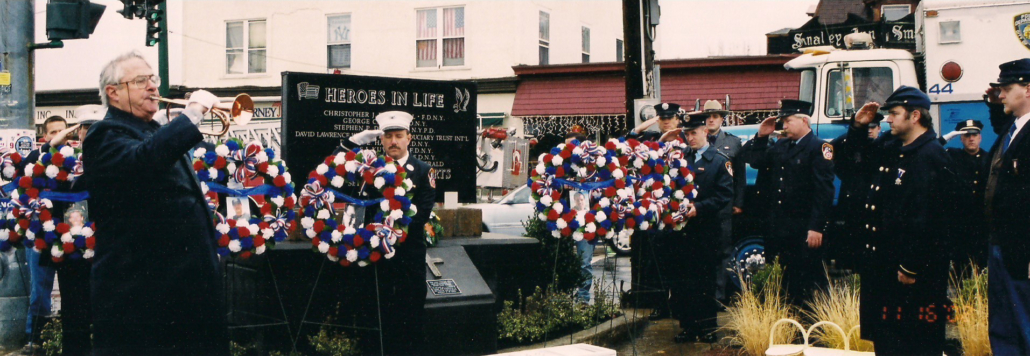
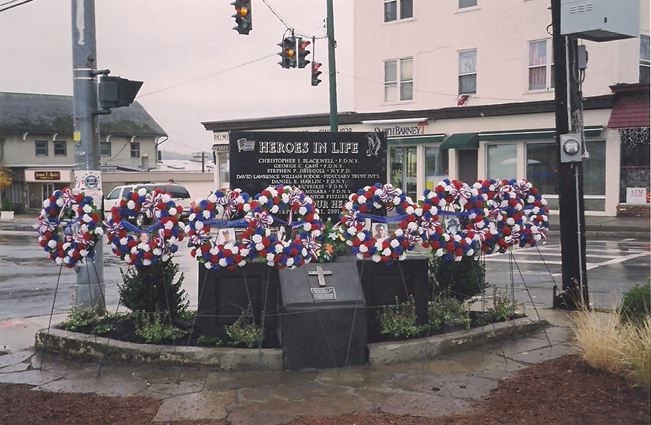
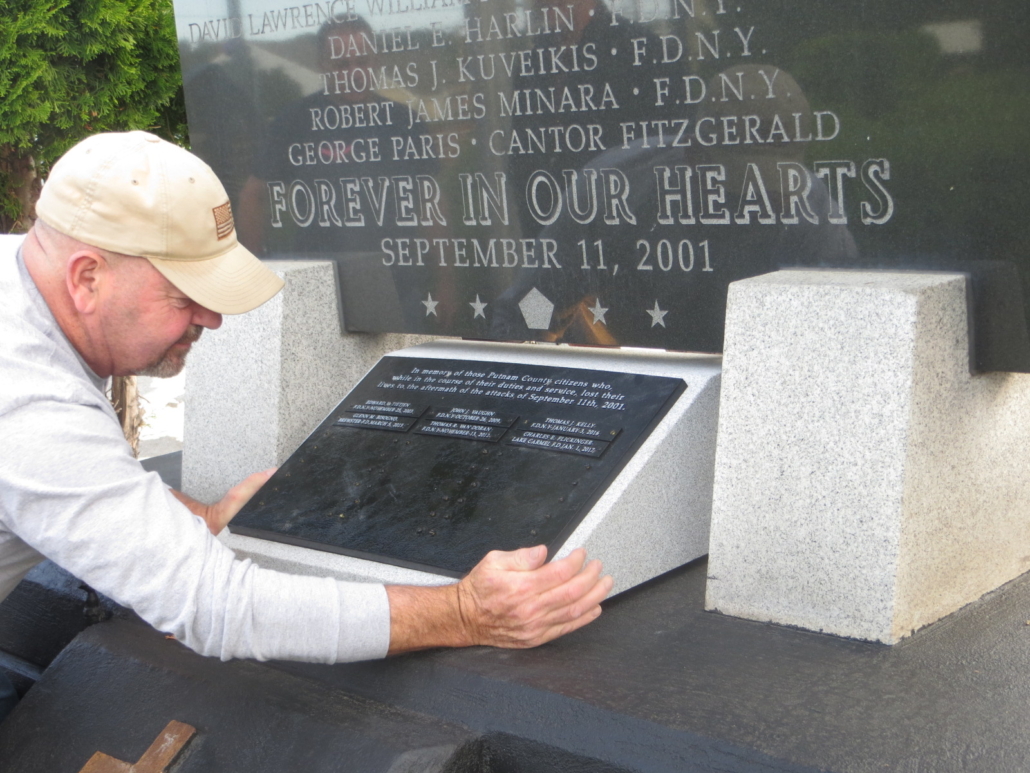
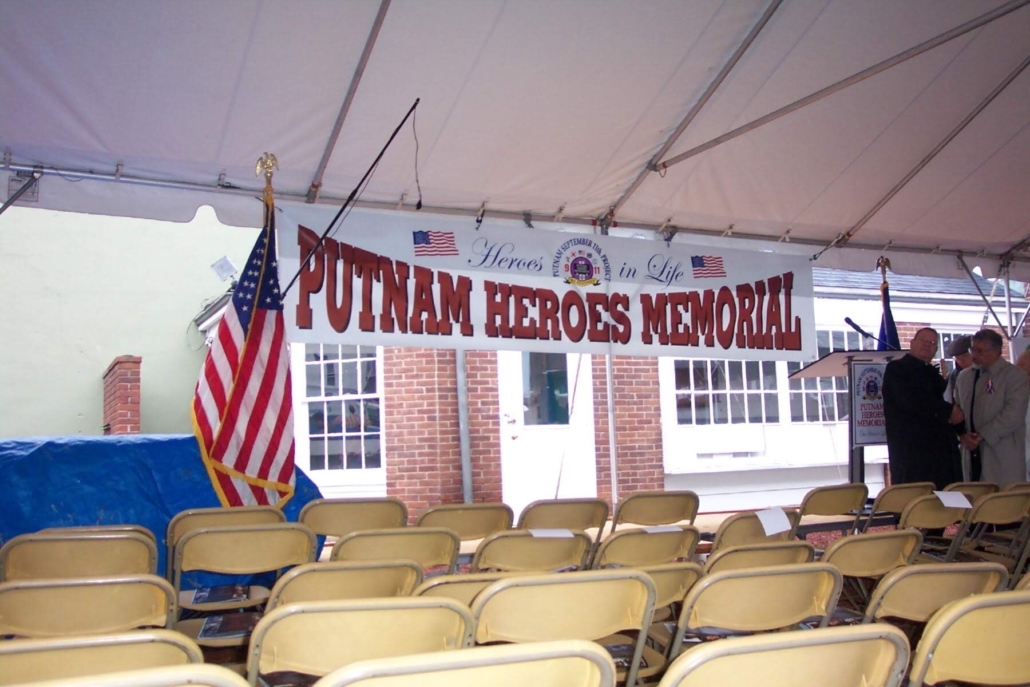
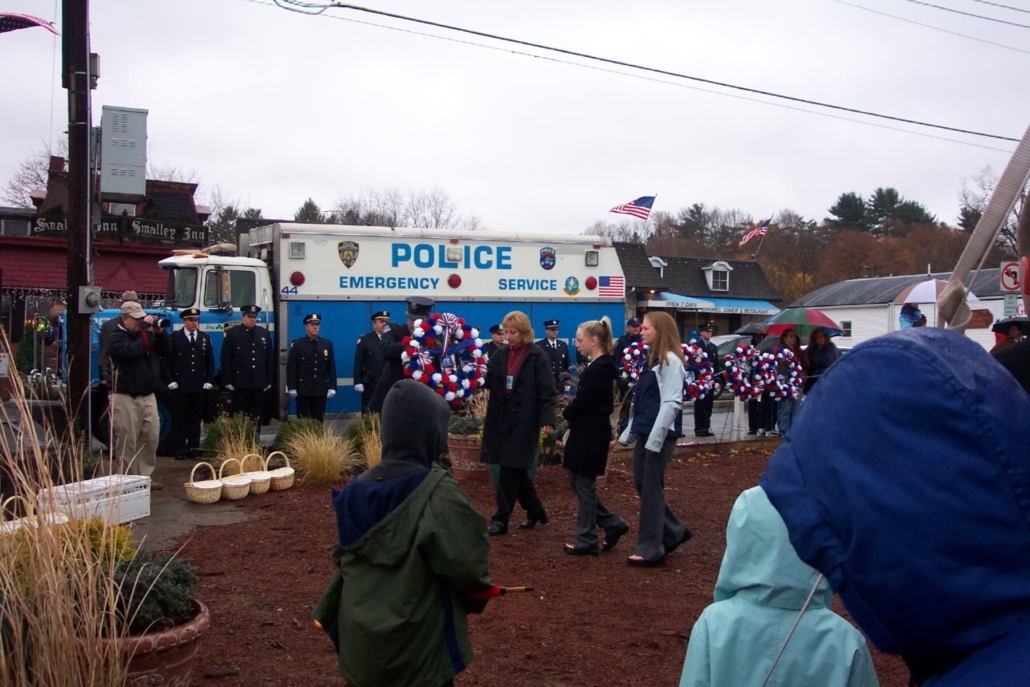
Our Memorial honors the Eight Putnam Heroes who died on September 11th, 2001, and the Fifteen Putnam Heroes who have passed as a result of their efforts in the aftermath of September 11th. This year sadly, we will be adding one more name onto our Memorial, FF Mark Senno, FDNY  

At this years' service, the Senno Family will be presented with a Flag of the United States which was flown over the World Trade Center Memorial. 

Our guest speaker will be Ret. Navy Lieutenant Alex Othmer, SEAL Team IV

Out musical guest will be the Putnam Chorale.

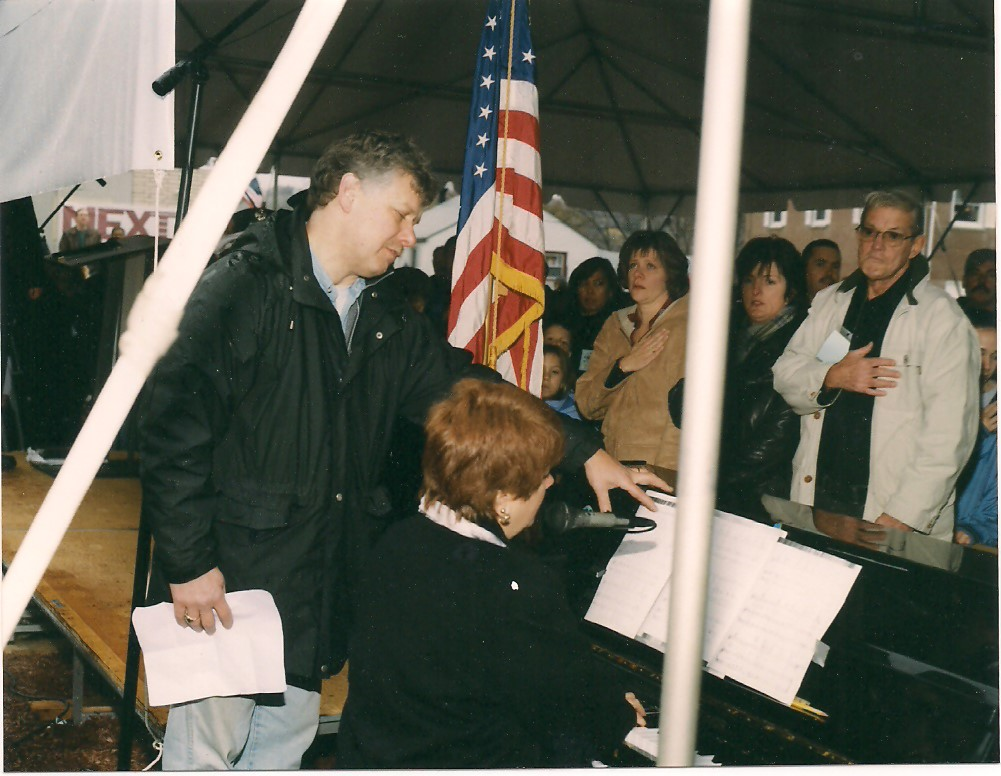
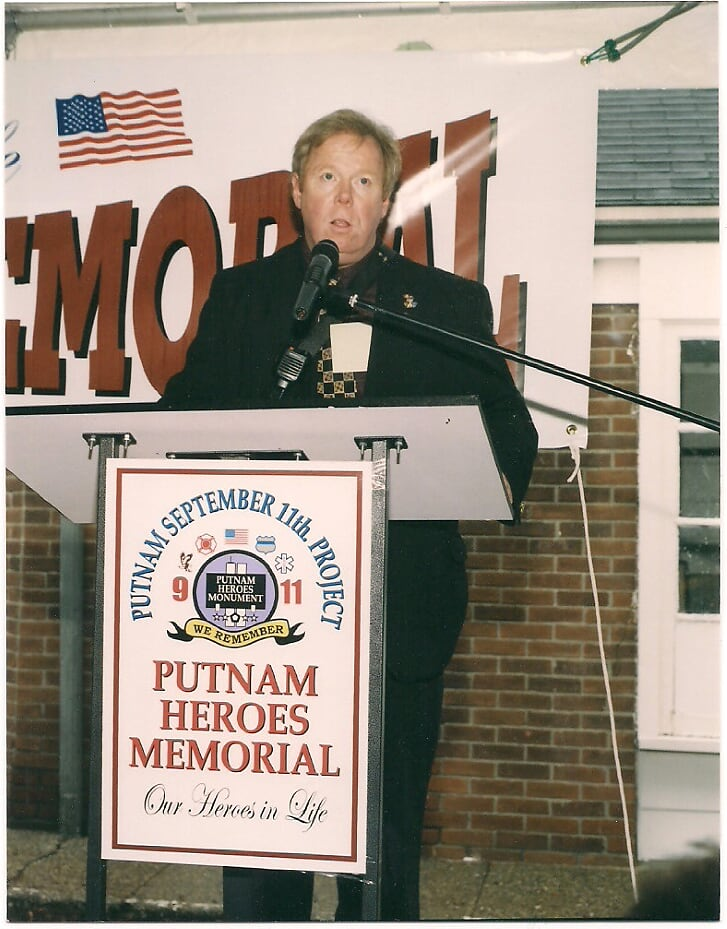
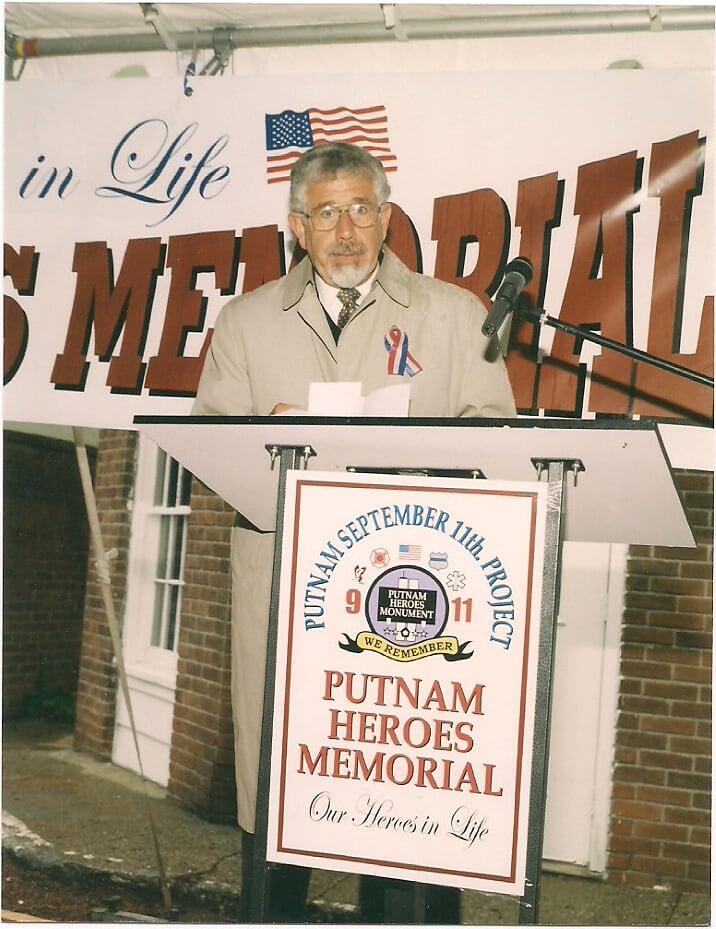
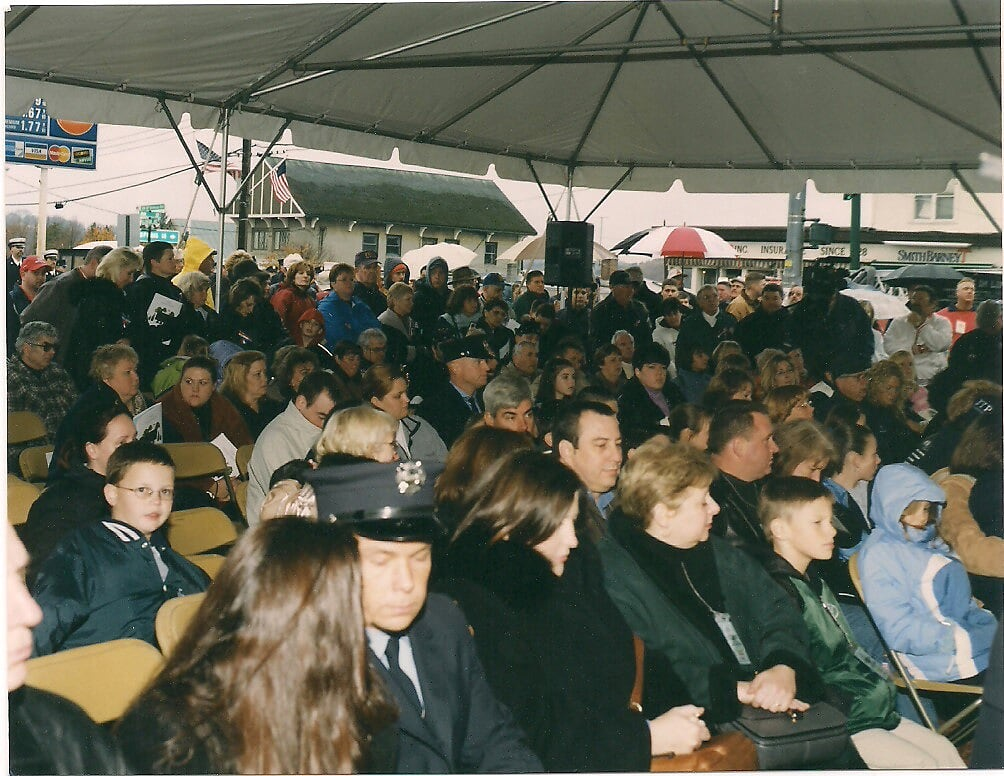
PHOTO GALLERY

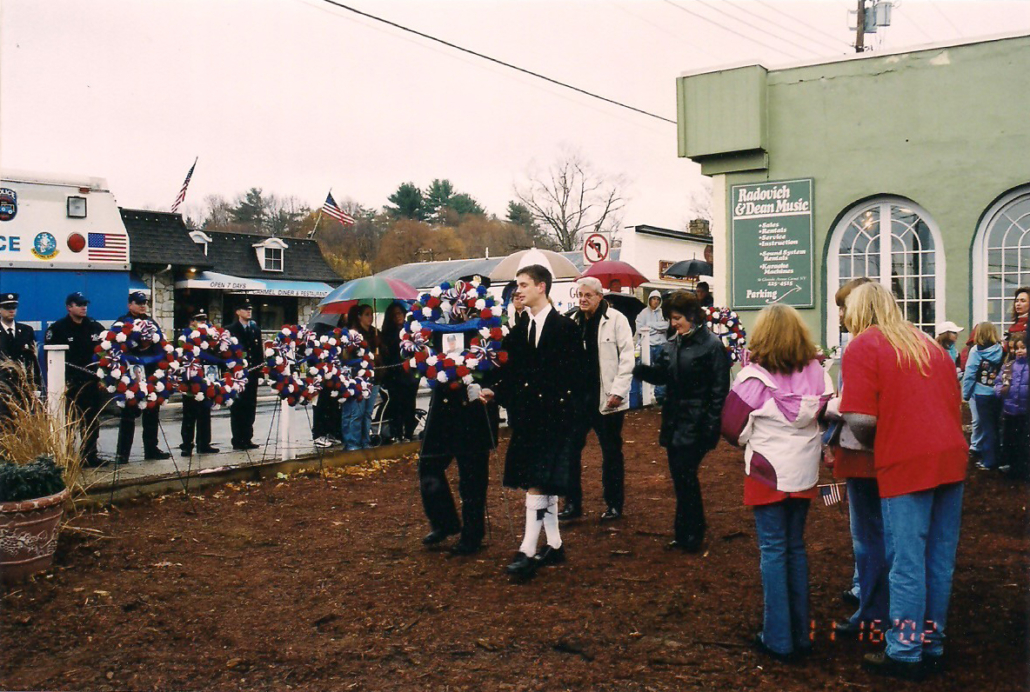
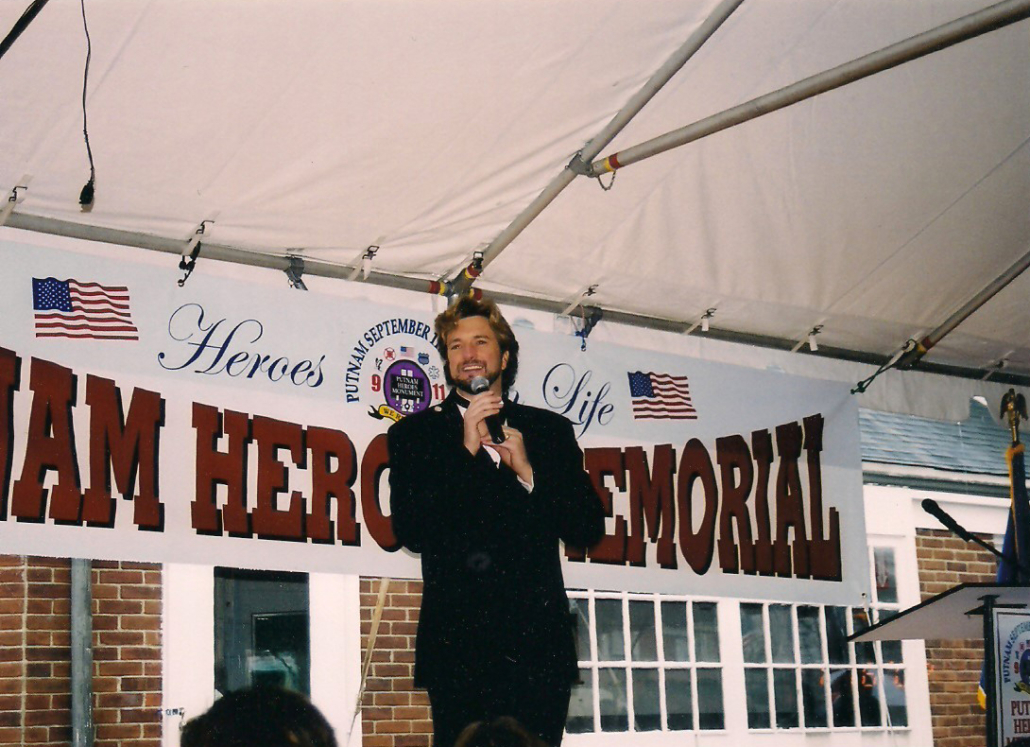
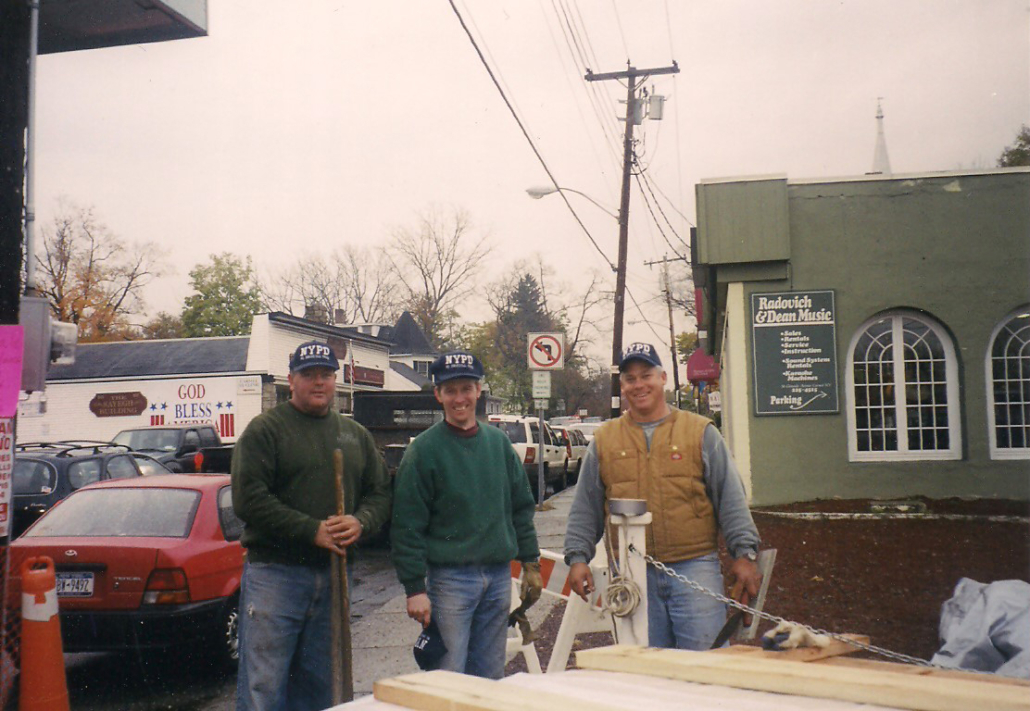
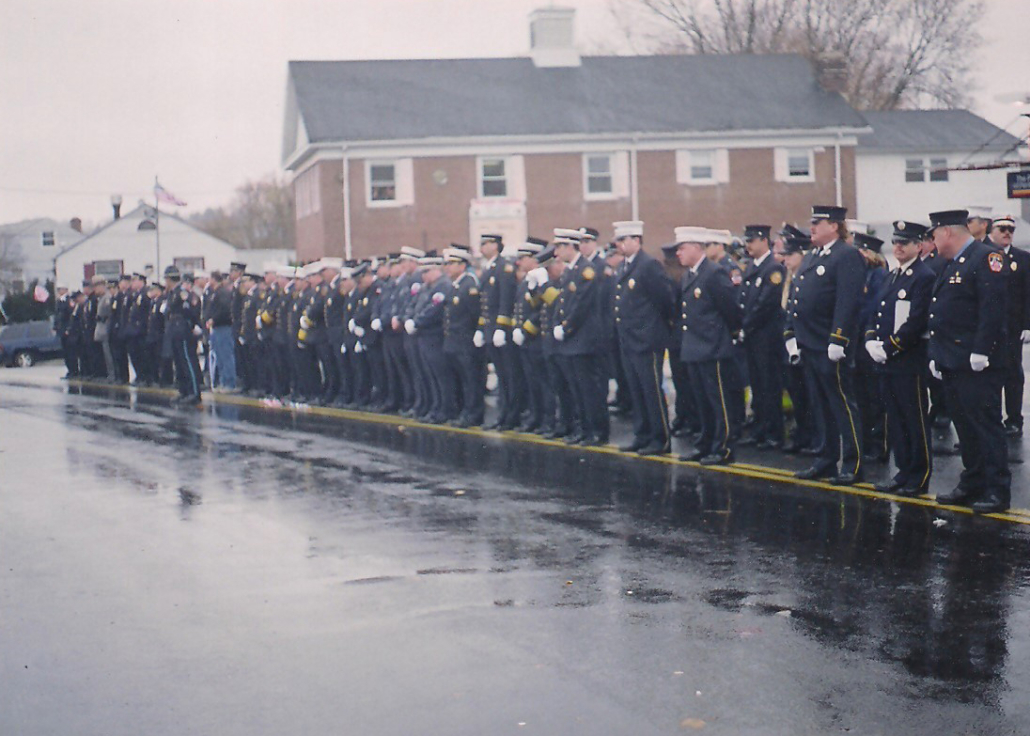
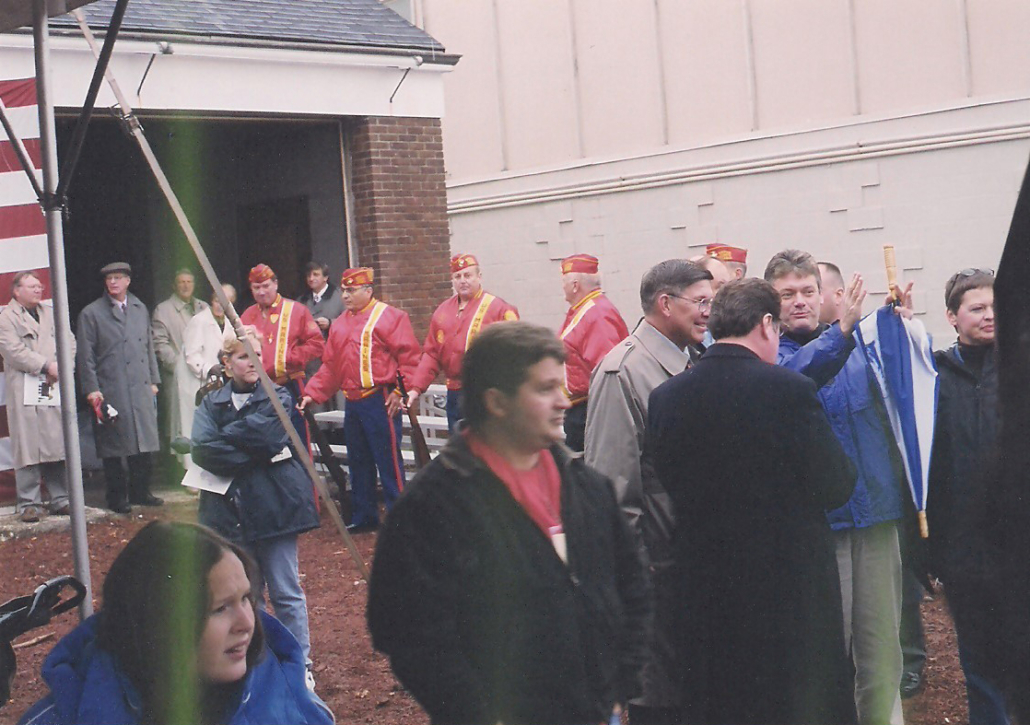
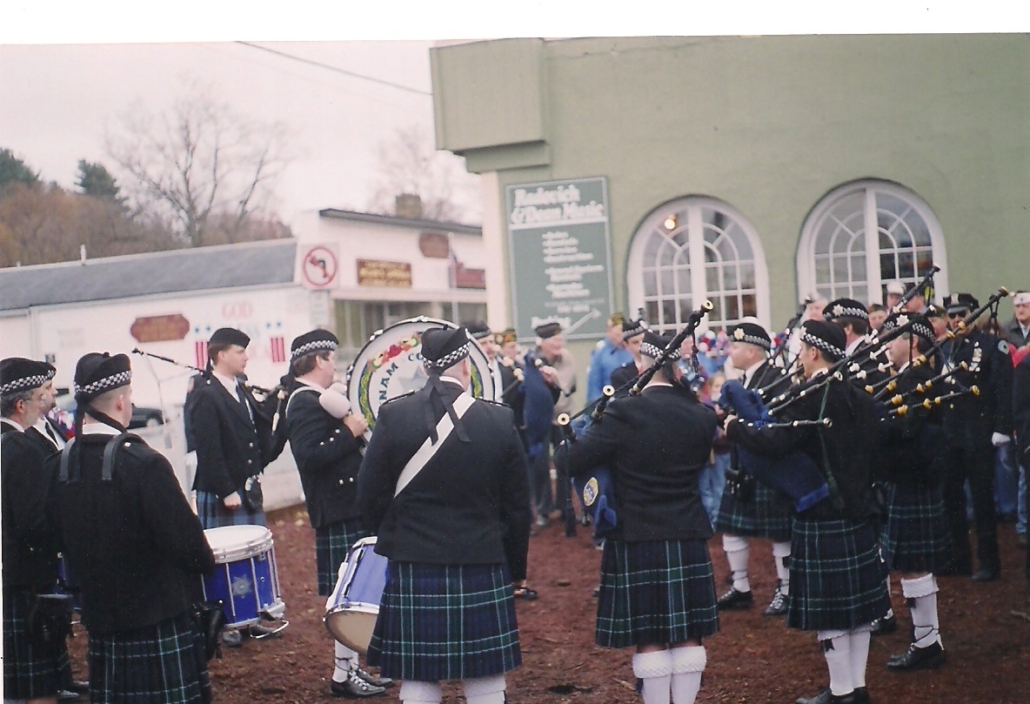
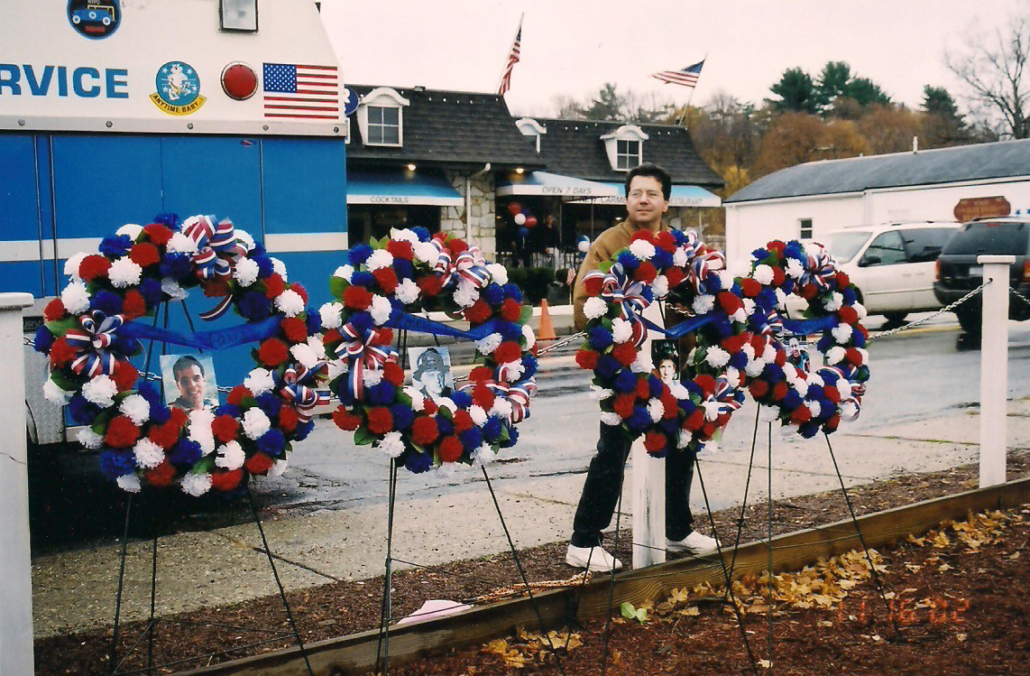
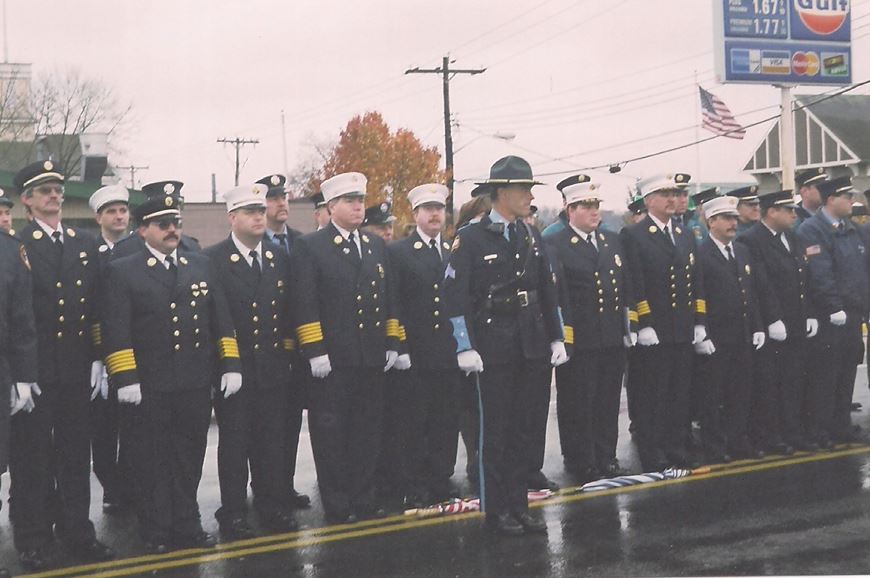
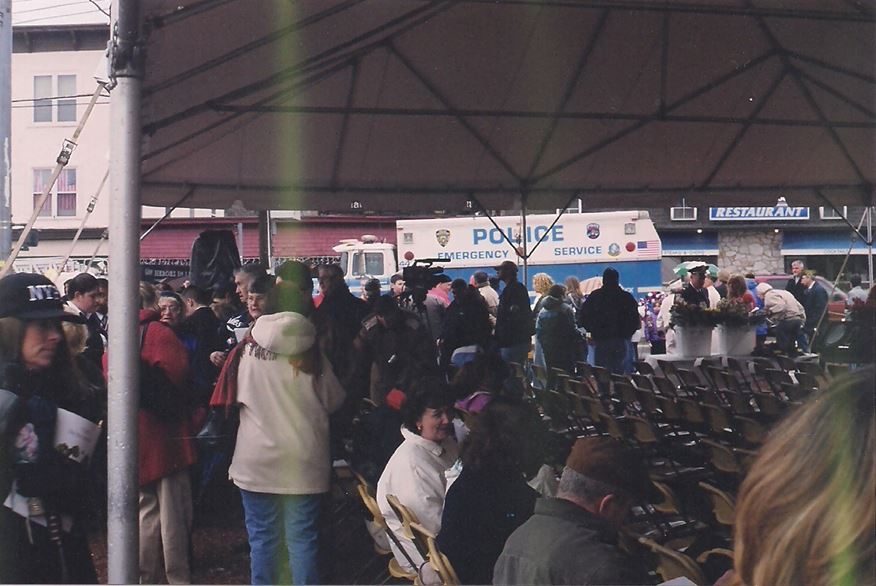
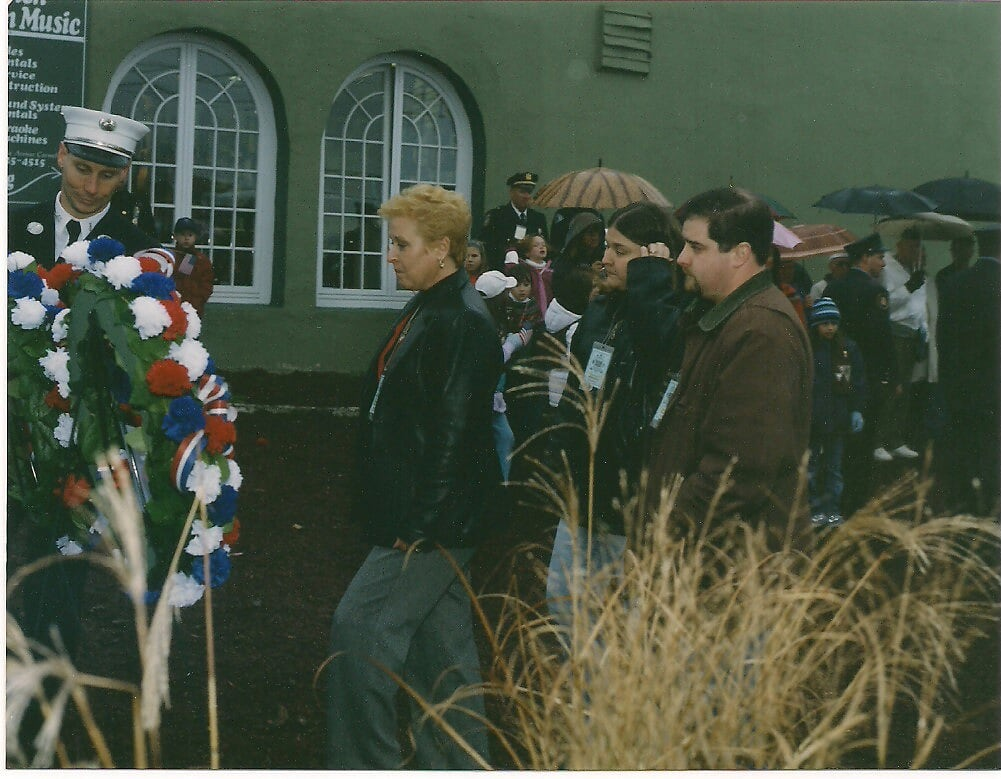
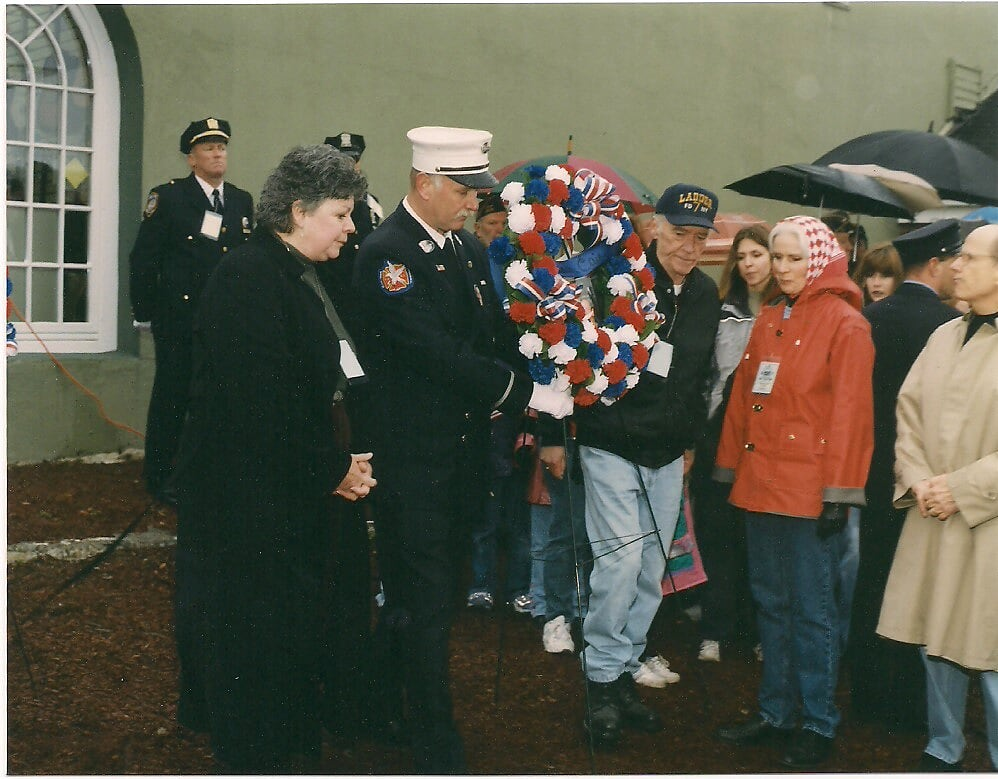
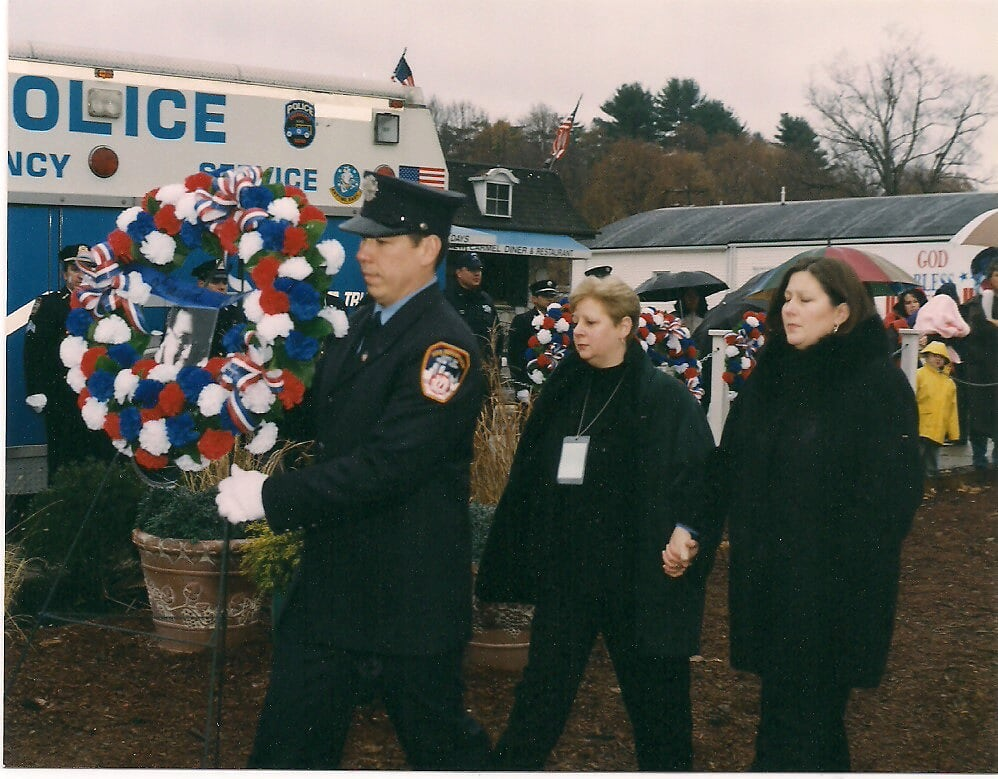
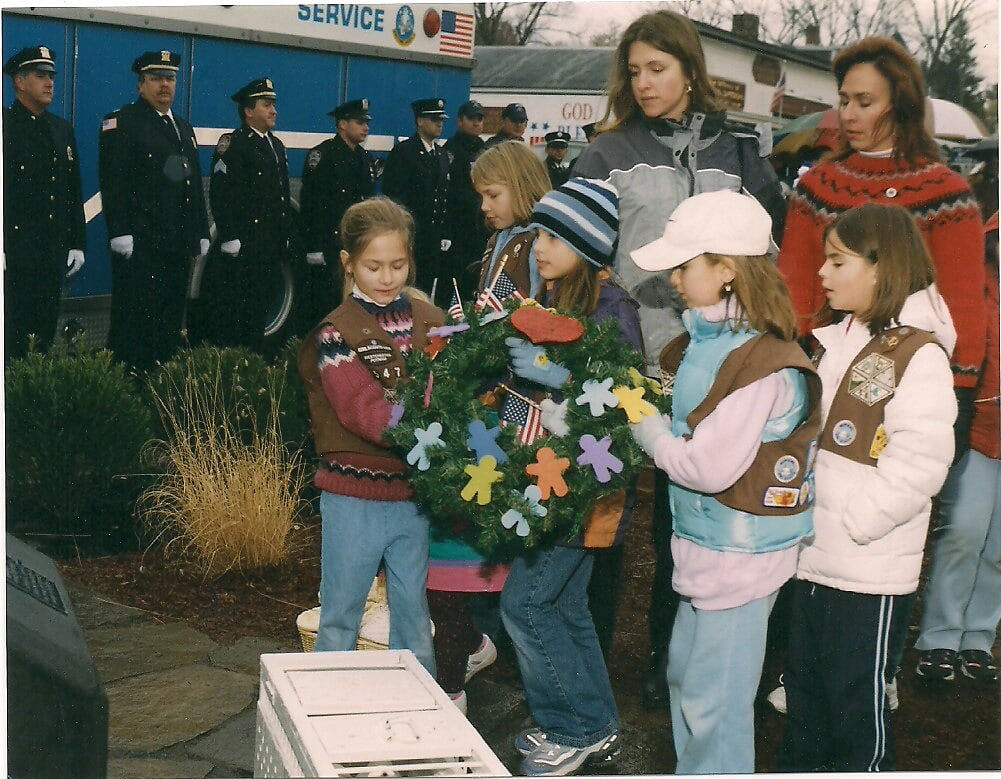
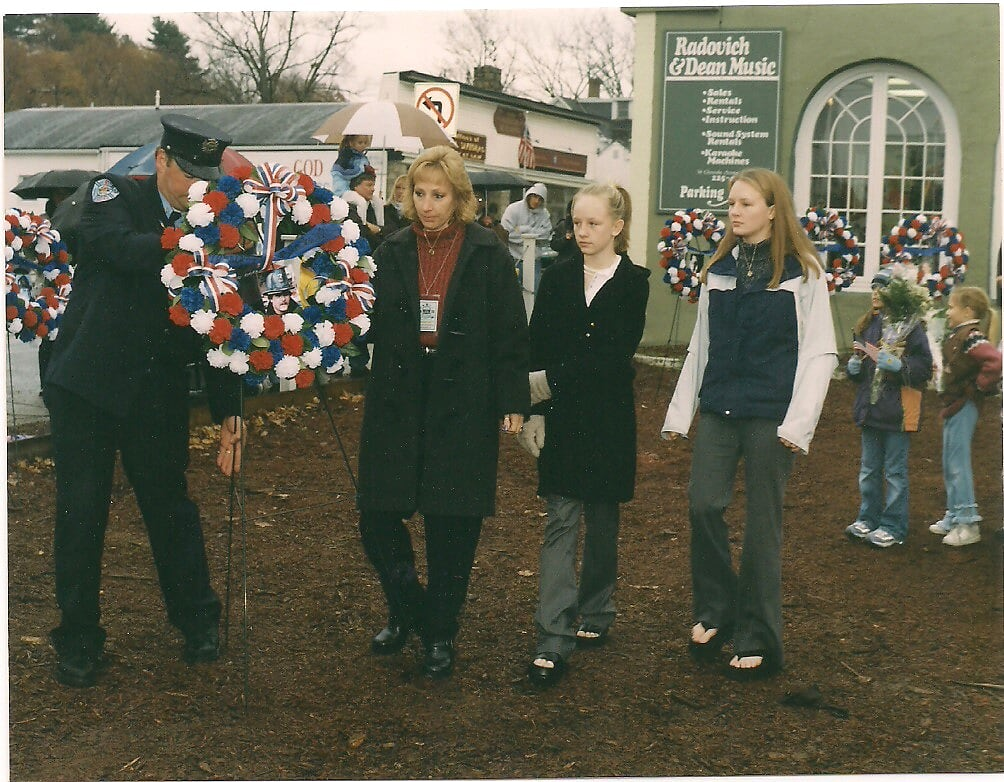
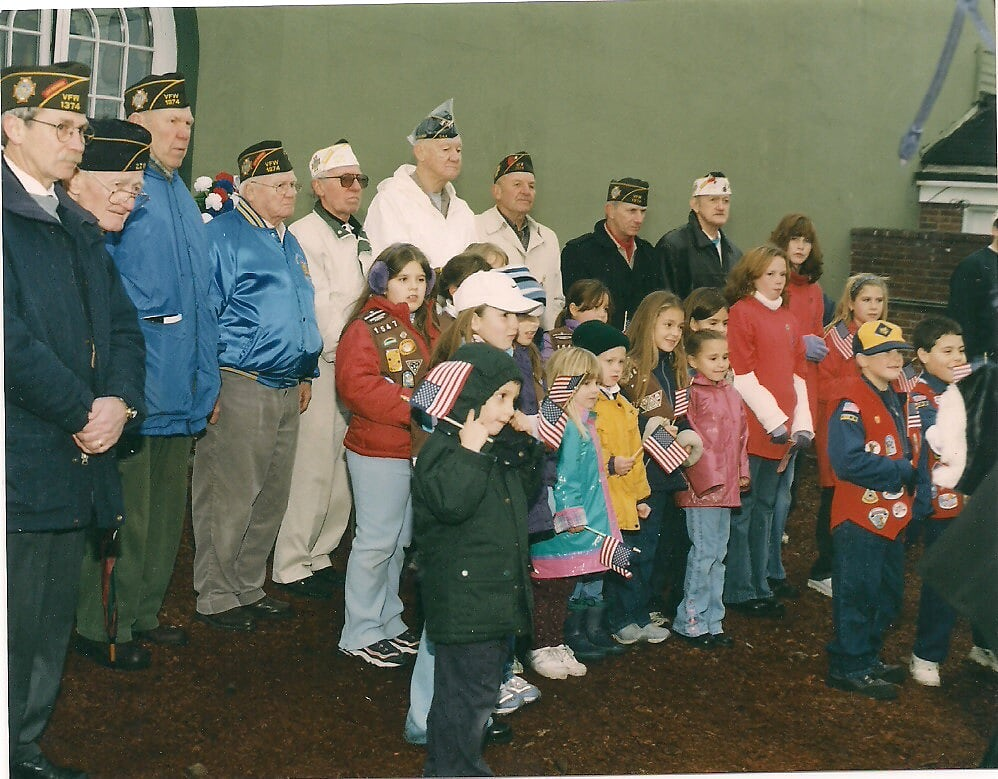
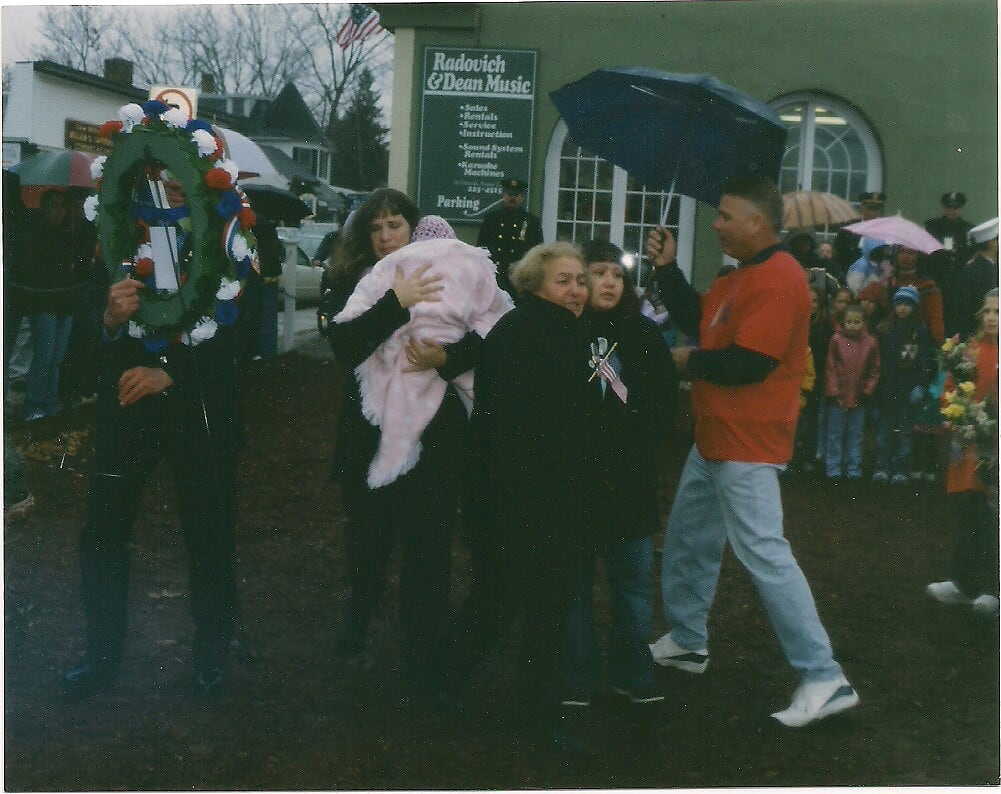
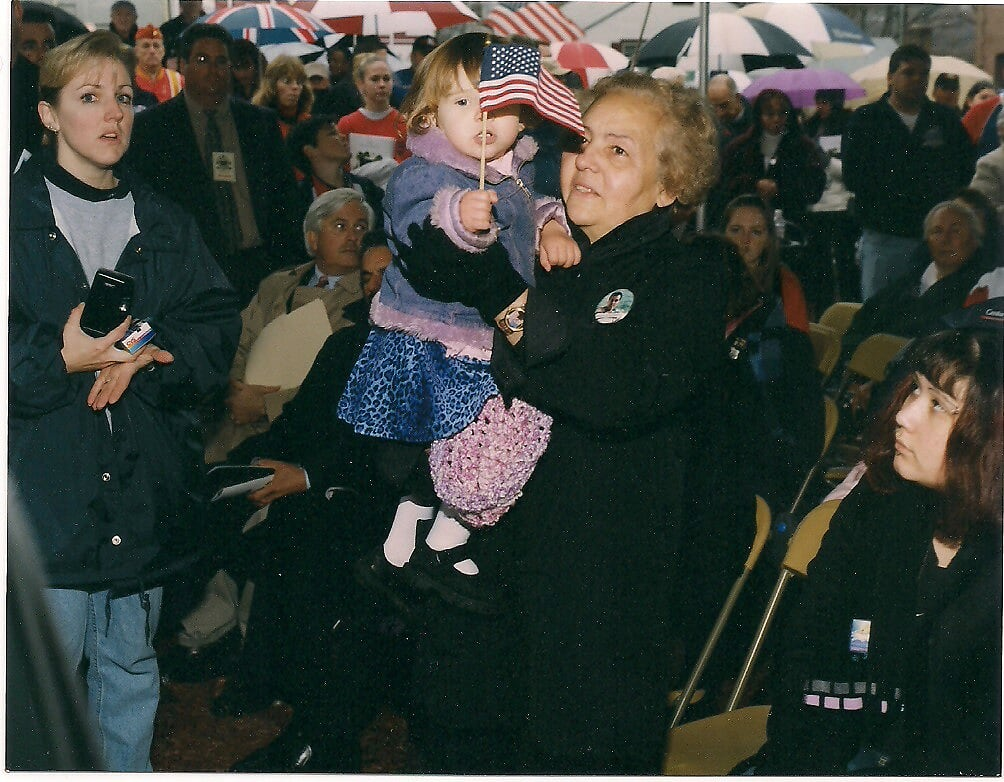
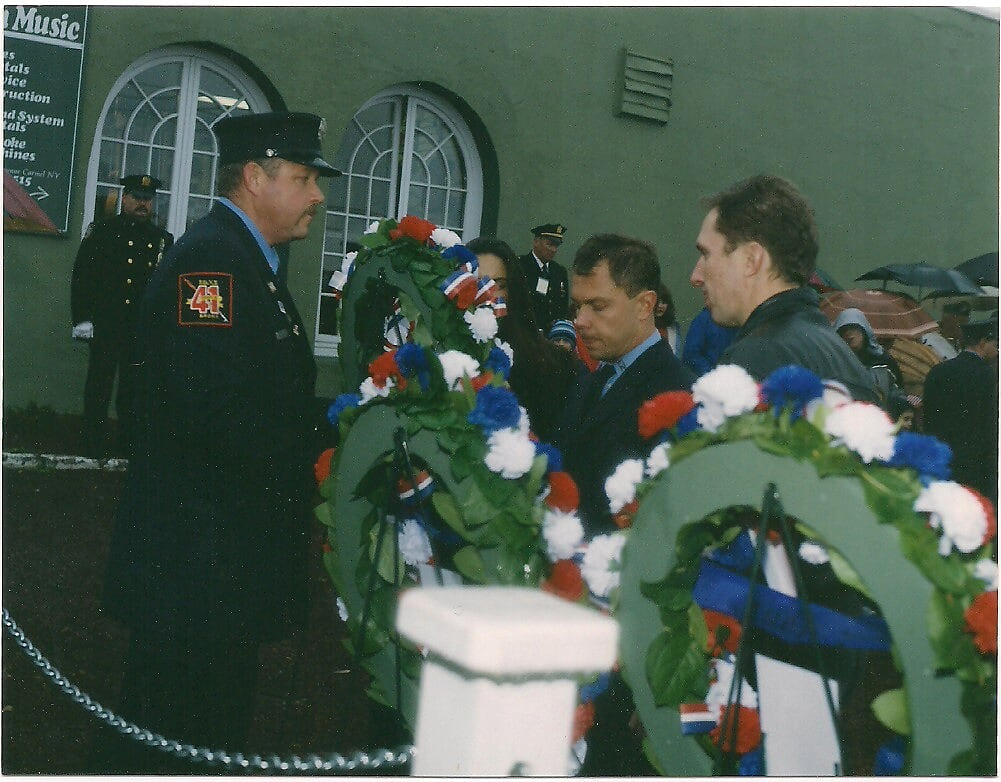
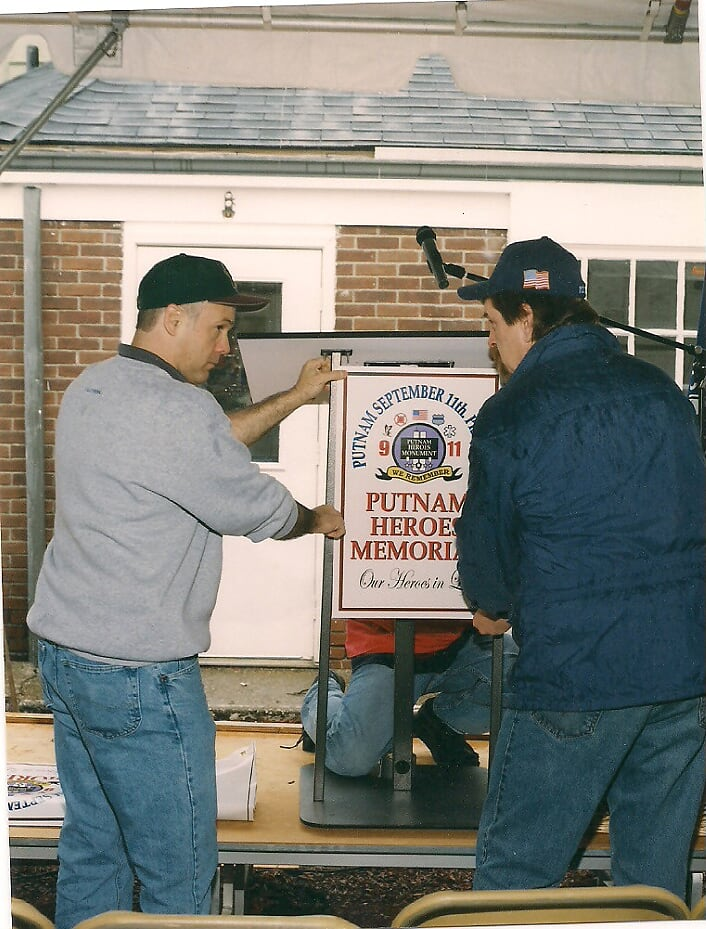
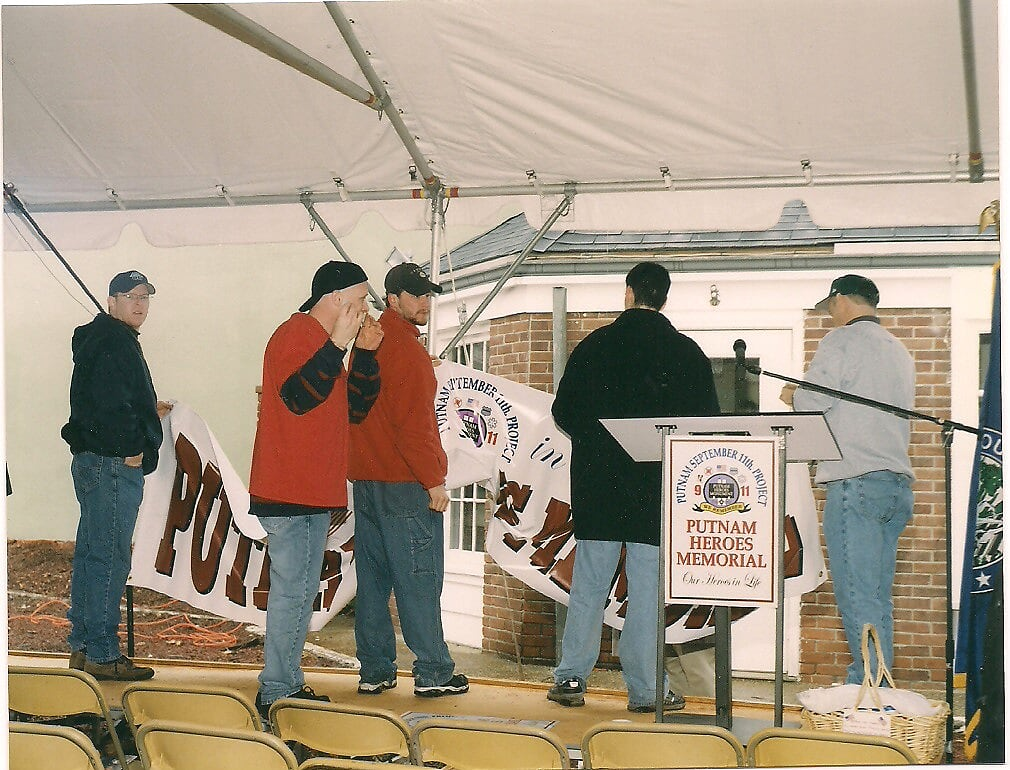
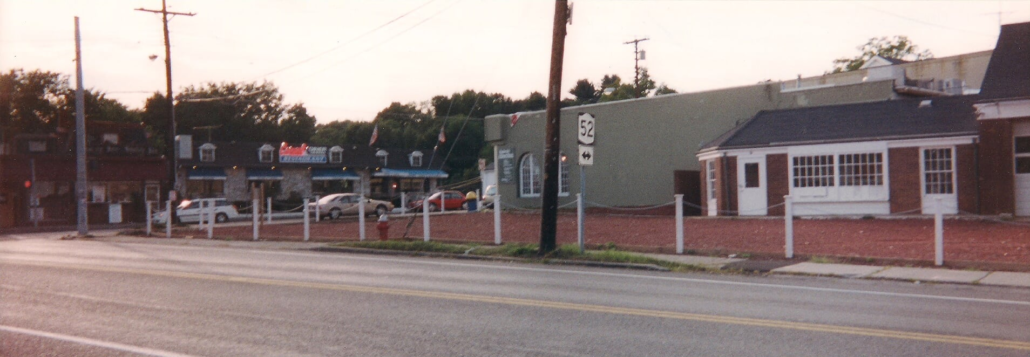
  • First 911 Candlelight Vigil 2002 Pcny 01 1030 X 692

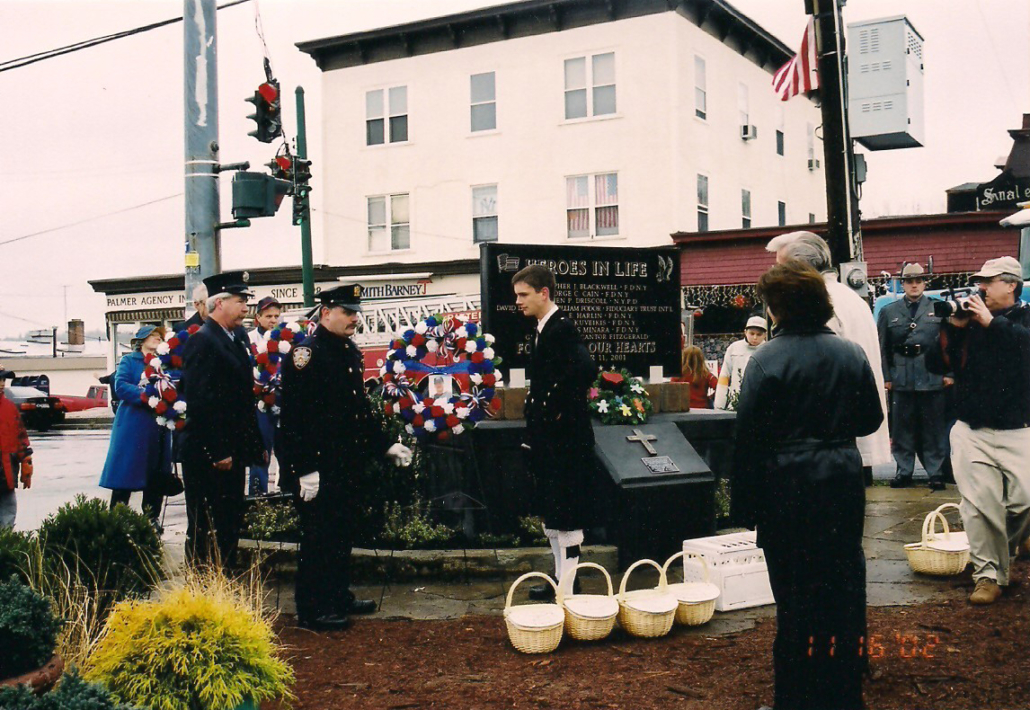
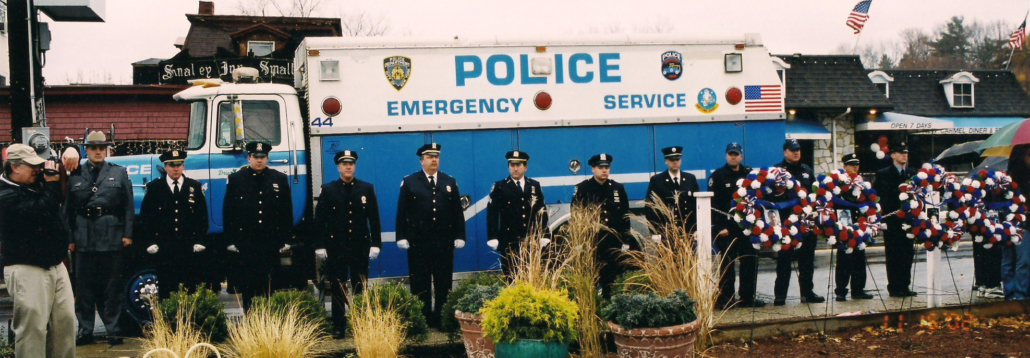
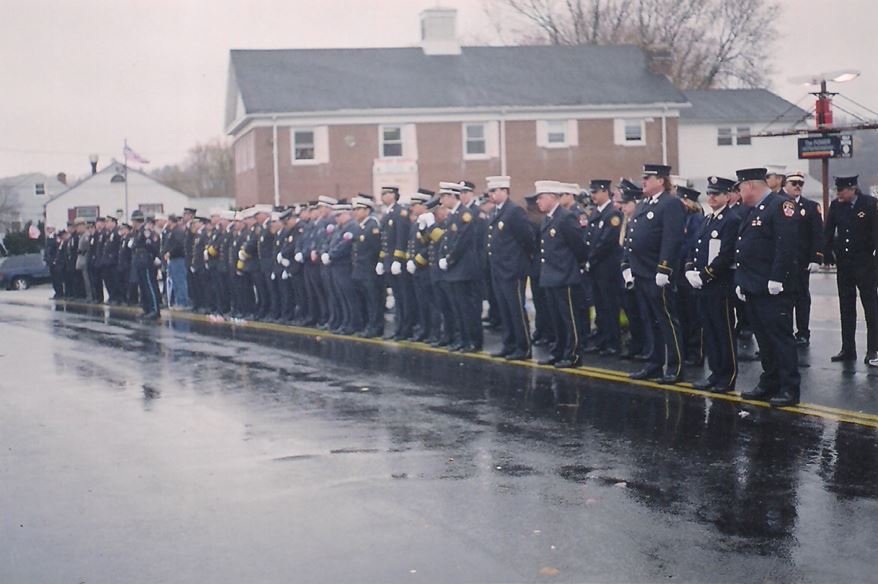
  • First 911 Candlelight Vigil 2002 Pcny 02 1030 X 710

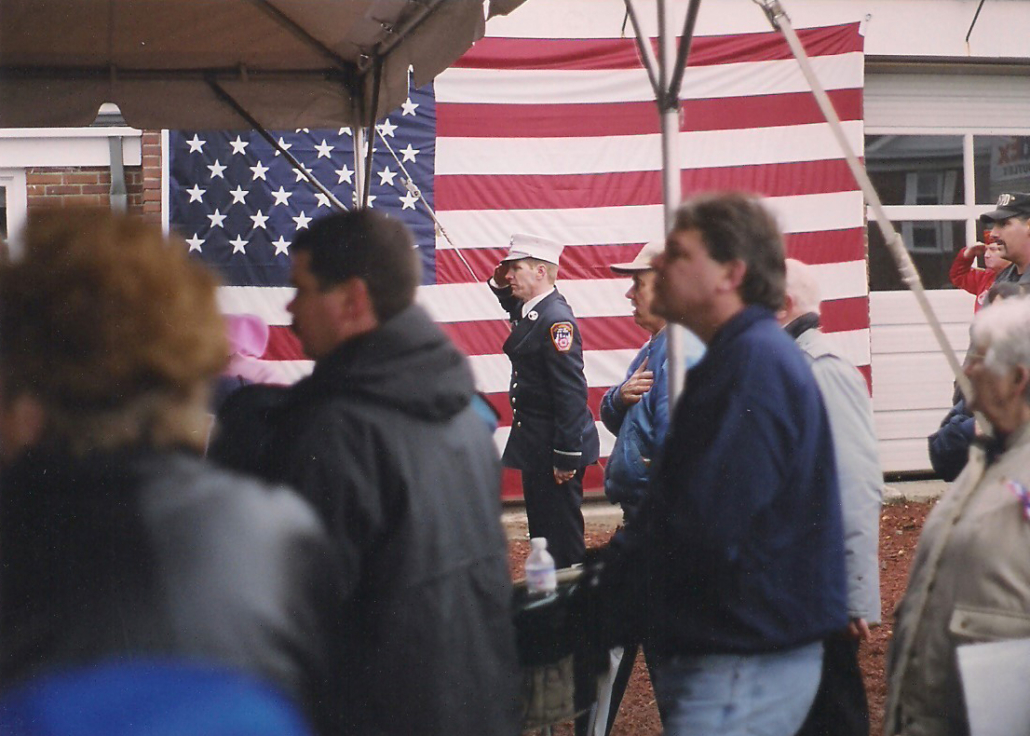
  • First 911 Candlelight Vigil 2002 Pcny 03 1030 X 687

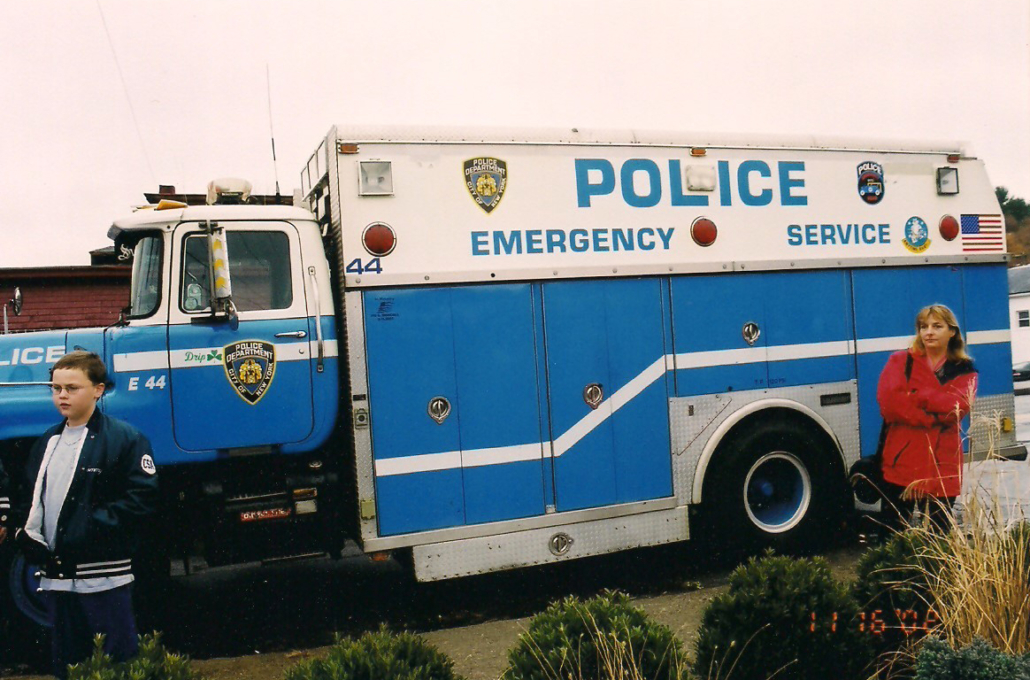
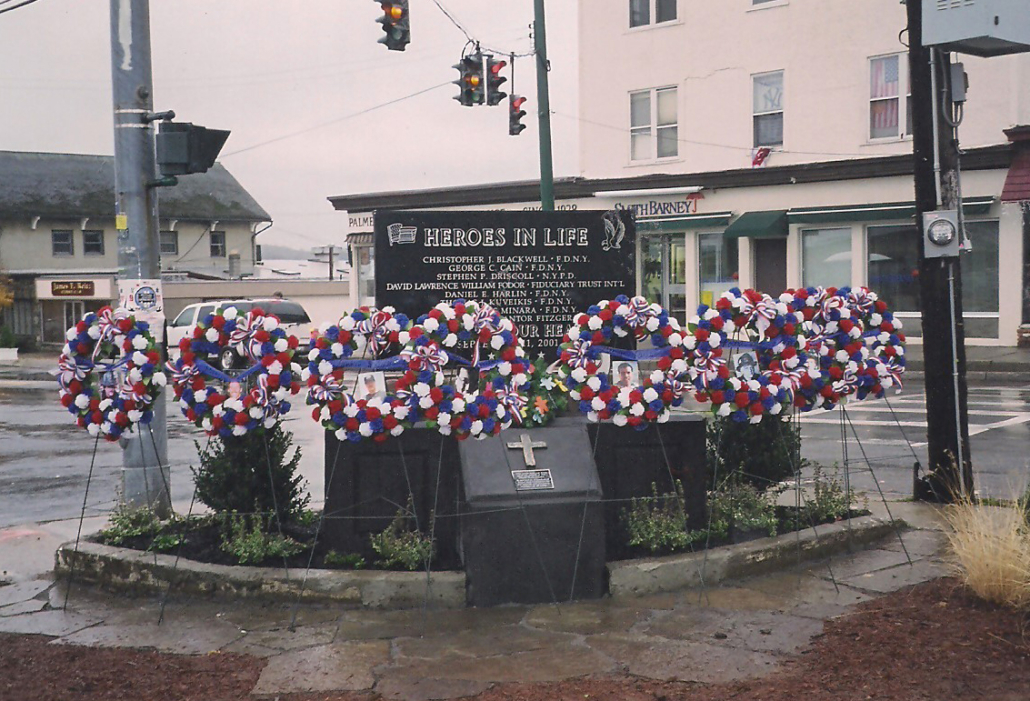
  • First 911 Candlelight Vigil 2002 Pcny 04 1030 X 687

  • First 911 Candlelight Vigil 2002 Pcny 05 1030 X 666

  • First 911 Candlelight Vigil 2002 Pcny 06 1030 X 680

  • First 911 Candlelight Vigil 2002 Pcny 07 1030 X 747

  • First 911 Candlelight Vigil 2002 Pcny 08 1030 X 673

  • First 911 Candlelight Vigil 2002 Pcny 09 1030 X 734

  • First 911 Candlelight Vigil 2002 Pcny 10 1030 X 700

  • First 911 Candlelight Vigil 2002 Pcny 11 1030 X 711

  • First 911 Candlelight Vigil 2002 Pcny 12 1030 X 358

  • First 911 Candlelight Vigil 2002 Pcny 13 1030 X 736

  • First 911 Candlelight Vigil 2002 Pcny 14 1030 X 701

  • First 911 Candlelight Vigil 2002 Pcny 15 1030 X 736

  • First 911 Candlelight Vigil 2002 Pcny 16 1030 X 725

  • First 911 Candlelight Vigil 2002 Pcny 17 1030 X 704

  • First 911 Candlelight Vigil 2002 Pcny 19 1030 X 676

  • First 911 Candlelight Vigil 2002 Pcny 20

  • First 911 Candlelight Vigil 2002 Pcny 21 1030 X 356

  • First 911 Candlelight Vigil 2002 Pcny 22 1

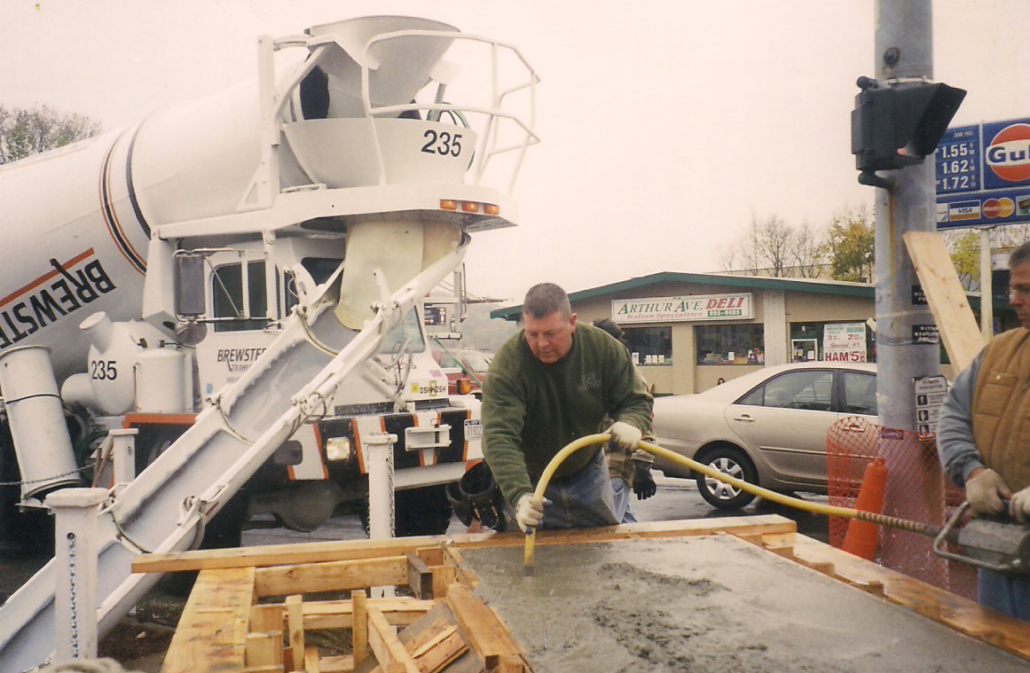
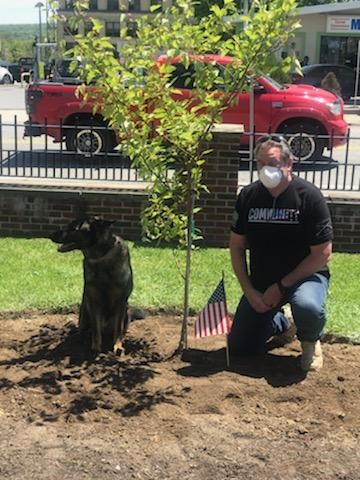
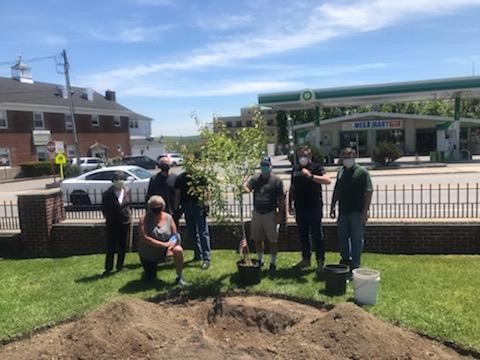
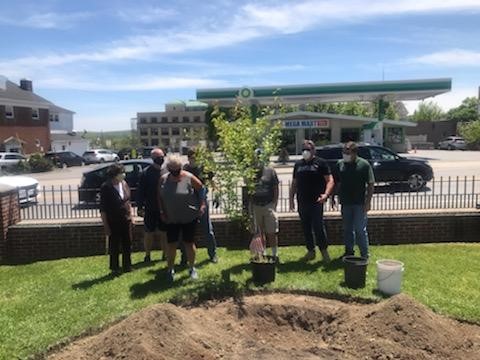
  • Pear Tree At Cornerstone Planting

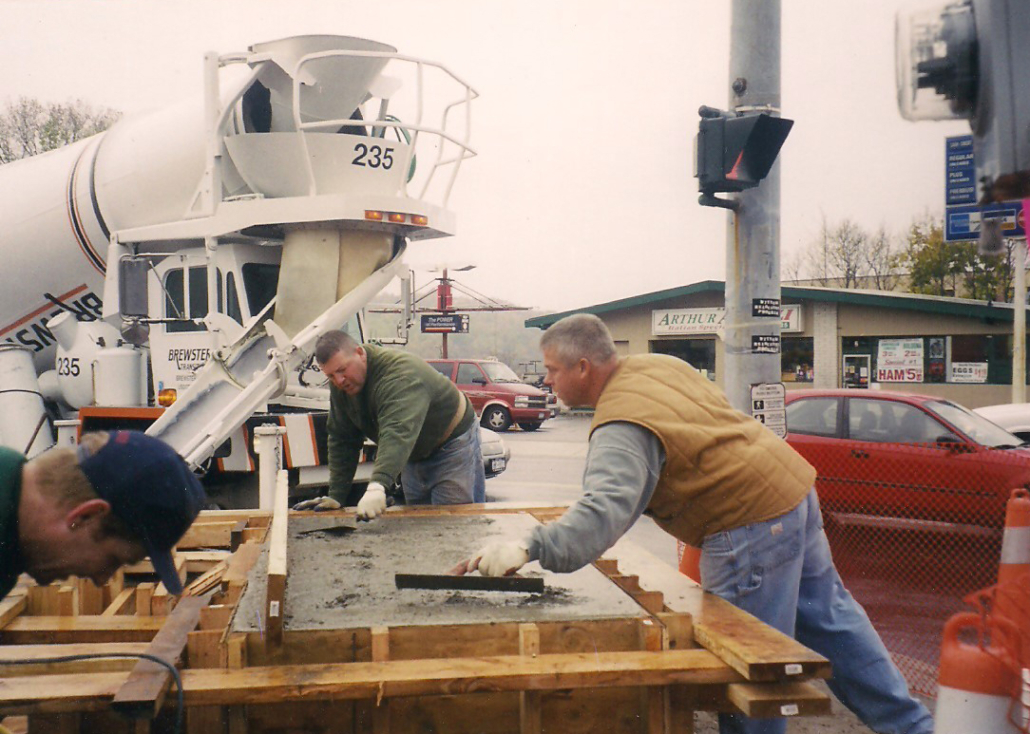
  • Pear Tree At Cornerstone Planting 4

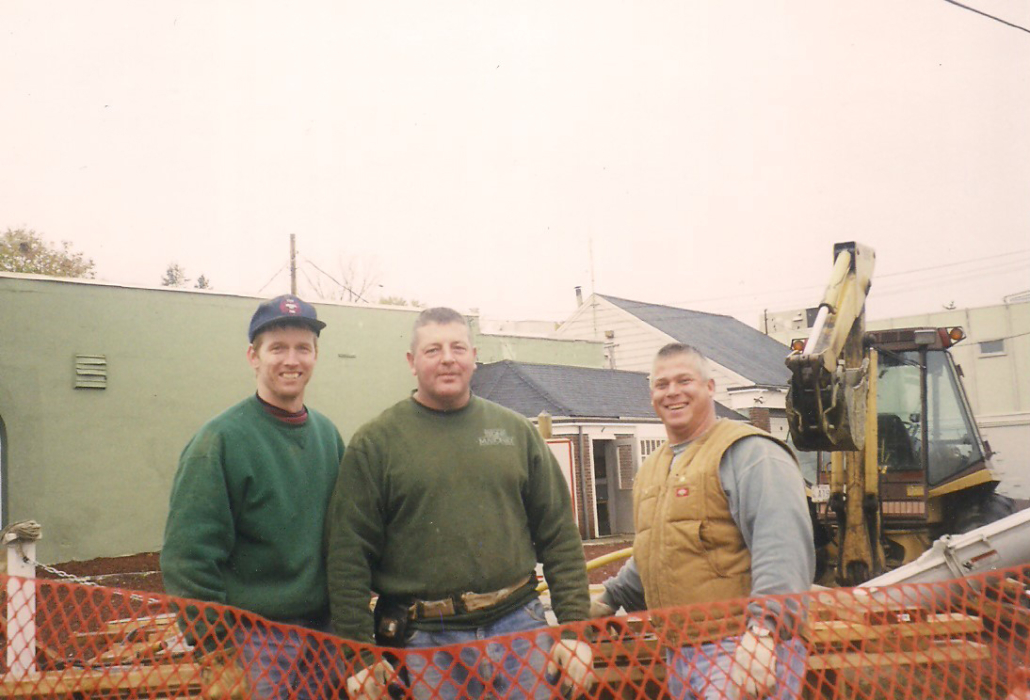
  • Pear Tree At Cornerstone Planting 5

  • Putnam County First 911 Candlelight Vigil 2

  • Putnam County First 911 Candlelight Vigil 3

  • Putnam County First 911 Candlelight Vigil 4

  • Putnam County First 911 Candlelight Vigil 5

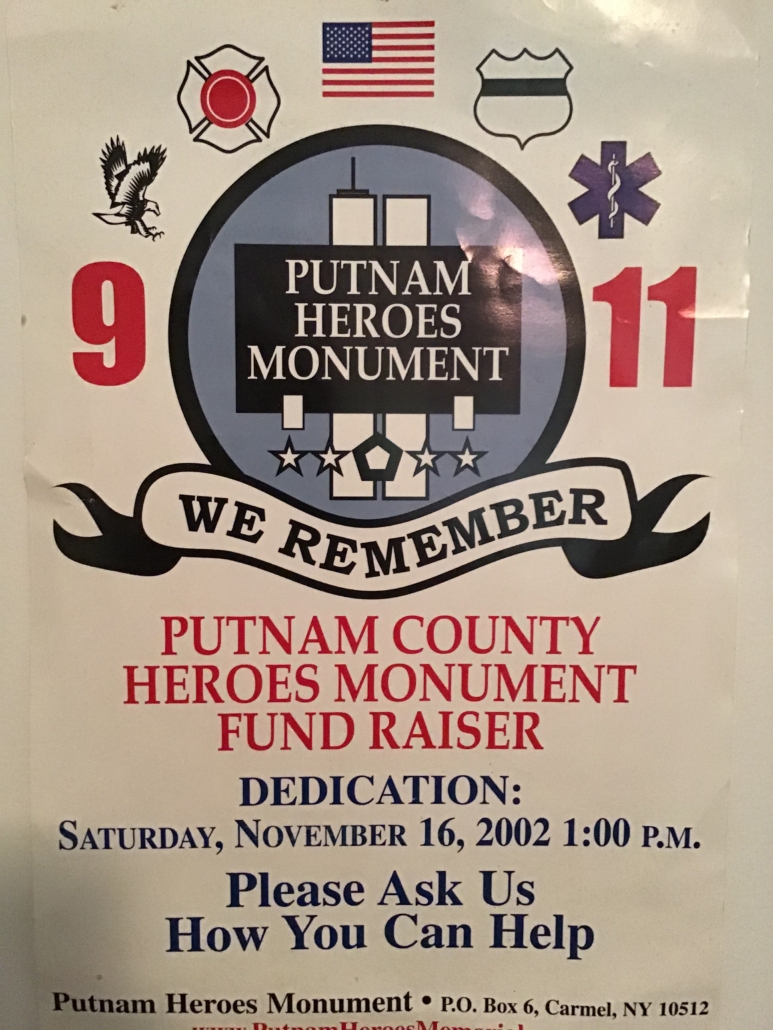
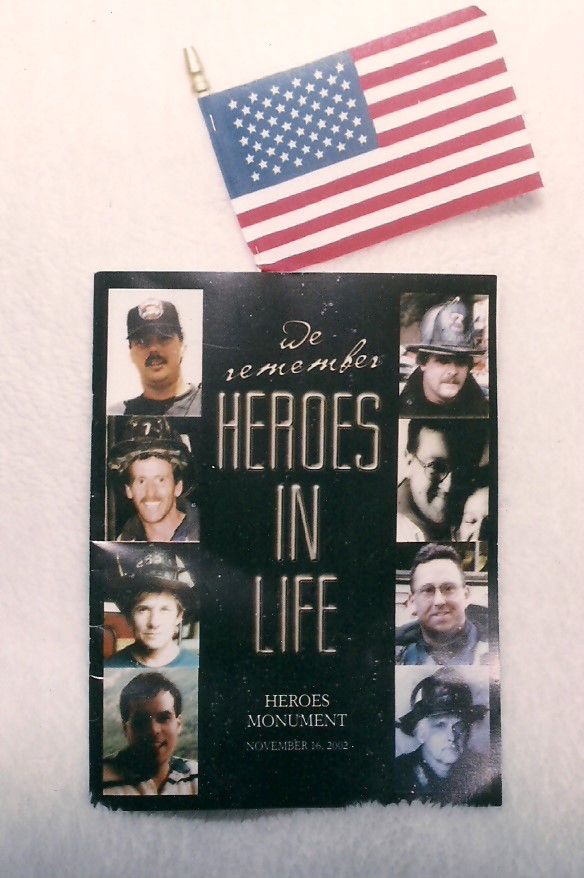
  • Putnam County First 911 Candlelight Vigil Poster 773 X 1030

  • Putnam County First 911 Candlelight Vigil

  • Remembering September 11 Th Aroundputnam Pcny 02 1030 X 773

  • Remembering September 11 Th Aroundputnam Pcny 03 1030 X 773

  • Remembering September 11 Th Aroundputnam Pcny 04 1030 X 579

  • Remembering September 11 Th Aroundputnam Pcny 06 752 X 1030

  • Remembering September 11 Th Aroundputnam Pcny 07 1030 X 773

  • Remembering September 11 Th Aroundputnam Pcny 08 1030 X 719

  • Remembering September 11 Th Aroundputnam Pcny 09 1030 X 773

  • Remembering September 11 Th Aroundputnam Pcny 10 1030 X 559

  • Remembering September 11 Th Aroundputnam Pcny 12 1030 X 687

  • Remembering September 11 Th Aroundputnam Pcny 14 1030 X 687

  • Remembering September 11 Th Aroundputnam Pcny 37

  • Remembering September 11 Th Aroundputnam Pcny 38

  • Remembering September 11 Th Aroundputnam Pcny 39

  • Remembering September 11 Th Aroundputnam Pcny 40

  • Remembering September 11 Th Aroundputnam Pcny 41

  • Remembering September 11 Th Aroundputnam Pcny 42

  • Remembering September 11 Th Aroundputnam Pcny 43

  • Remembering September 11 Th Aroundputnam Pcny 44

  • Remembering September 11 Th Aroundputnam Pcny 45

  • Remembering September 11 Th Aroundputnam Pcny 46

  • Remembering September 11 Th Aroundputnam Pcny 47

  • Remembering September 11 Th Aroundputnam Pcny 48

  • Remembering September 11 Th Aroundputnam Pcny 49

  • Remembering September 11 Th Aroundputnam Pcny 50

  • Remembering September 11 Th Aroundputnam Pcny 51

  • Remembering September 11 Th Aroundputnam Pcny 52 1030 X 357

  • Remembering September 11 Th Aroundputnam Pcny 53 1030 X 355

  • Remembering September 11 Th Aroundputnam Pcny 55

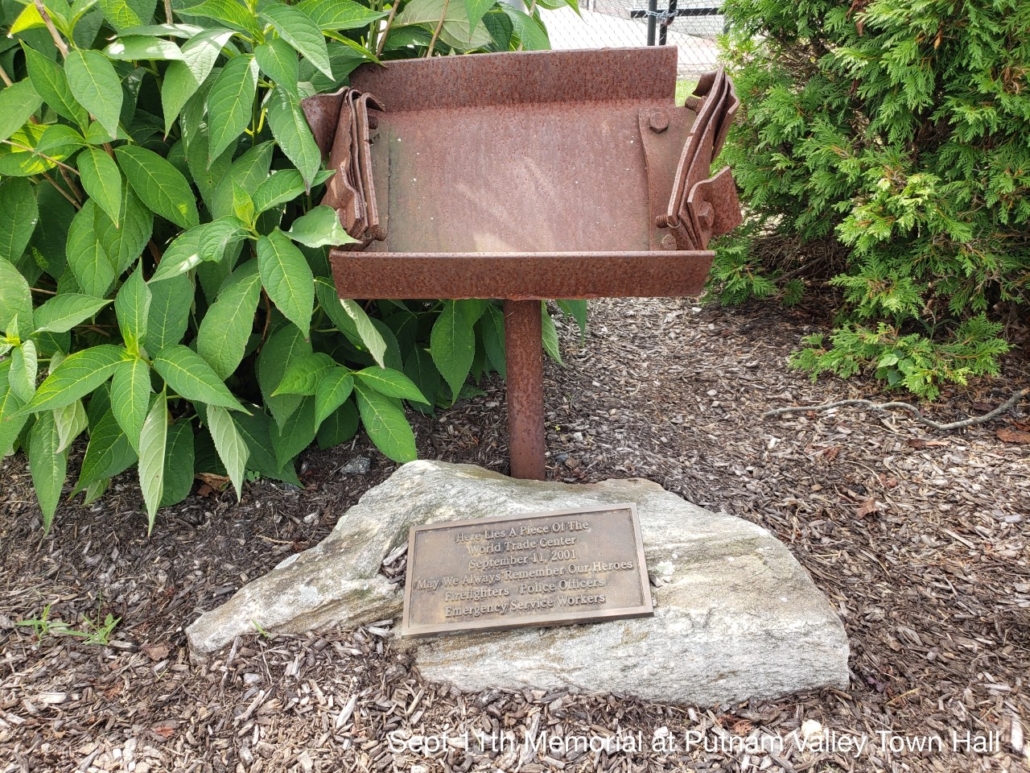
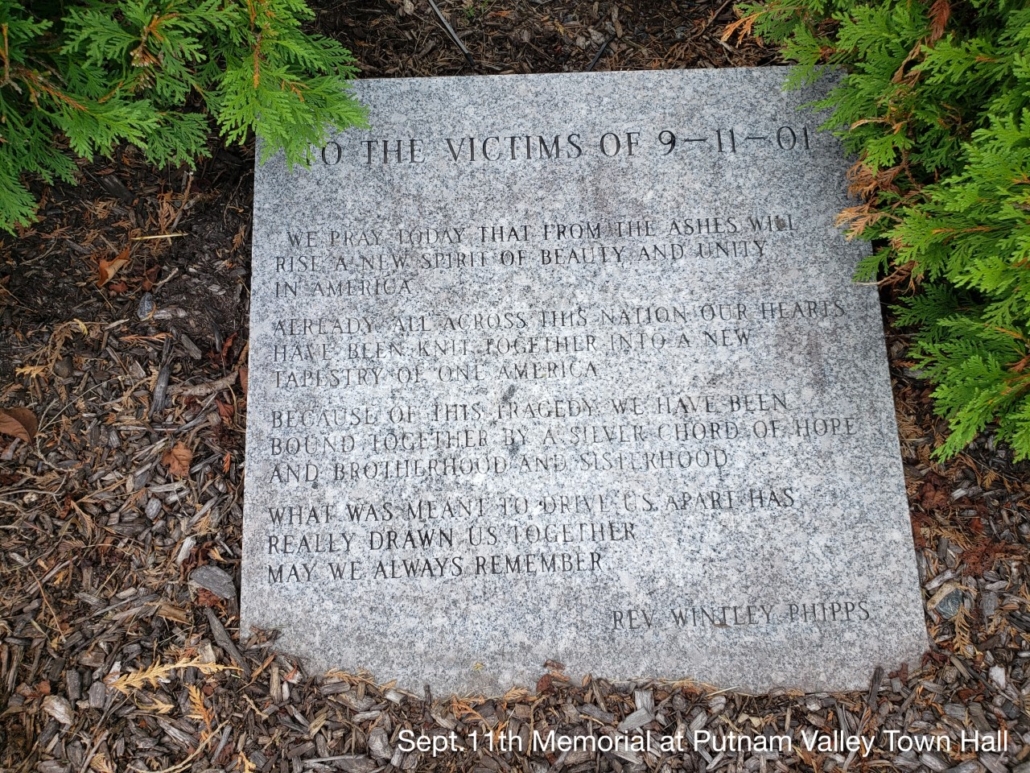
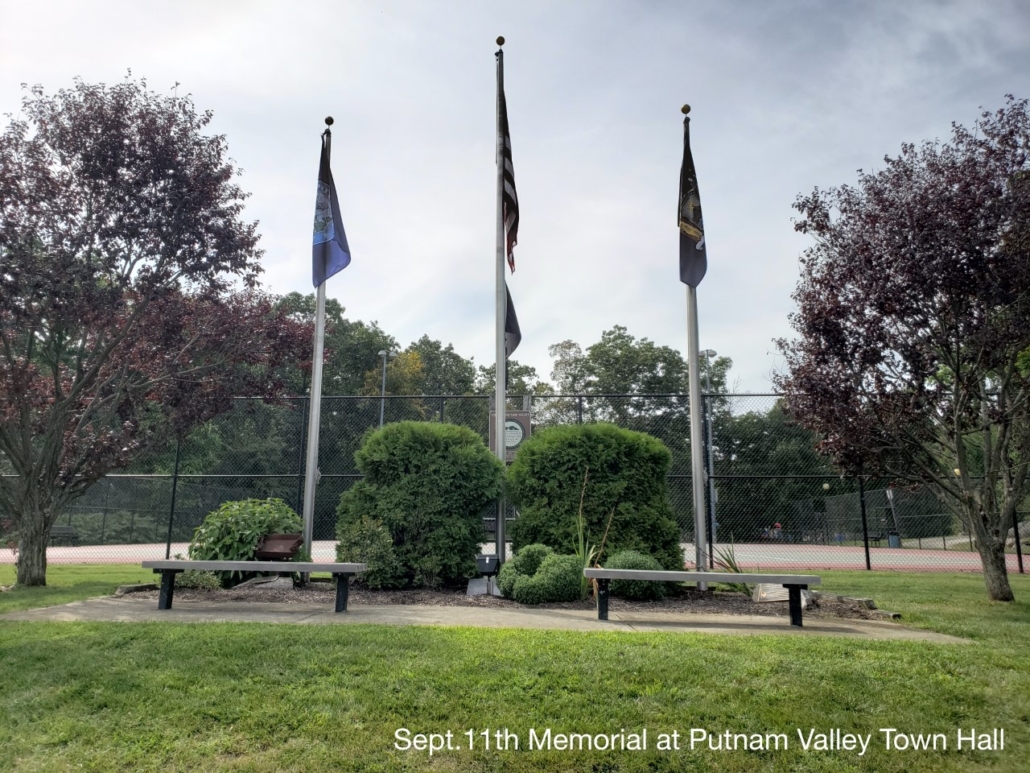
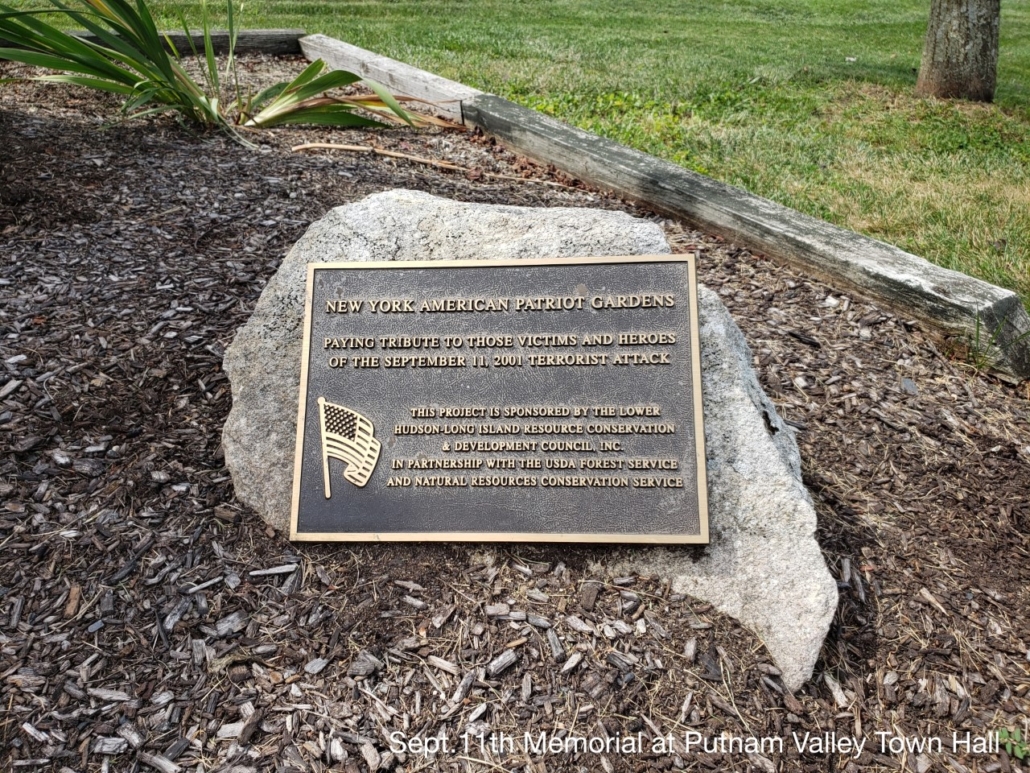
REMEMBERING SEPTEMBER 11 AROUND PUTNAM COUNTY

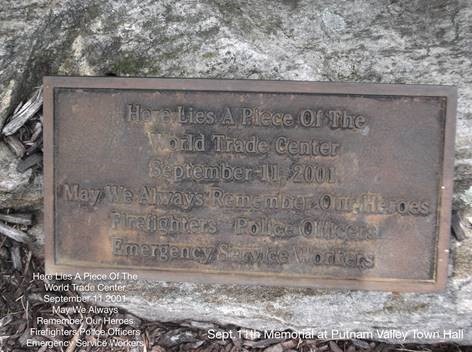
  • Putnamvalleytownhallsept 11 Memorial 2

  • Remembering September 11 Th Aroundputnam Pcny 17 MAHOPAC FIRE DEPT 1030 X 773

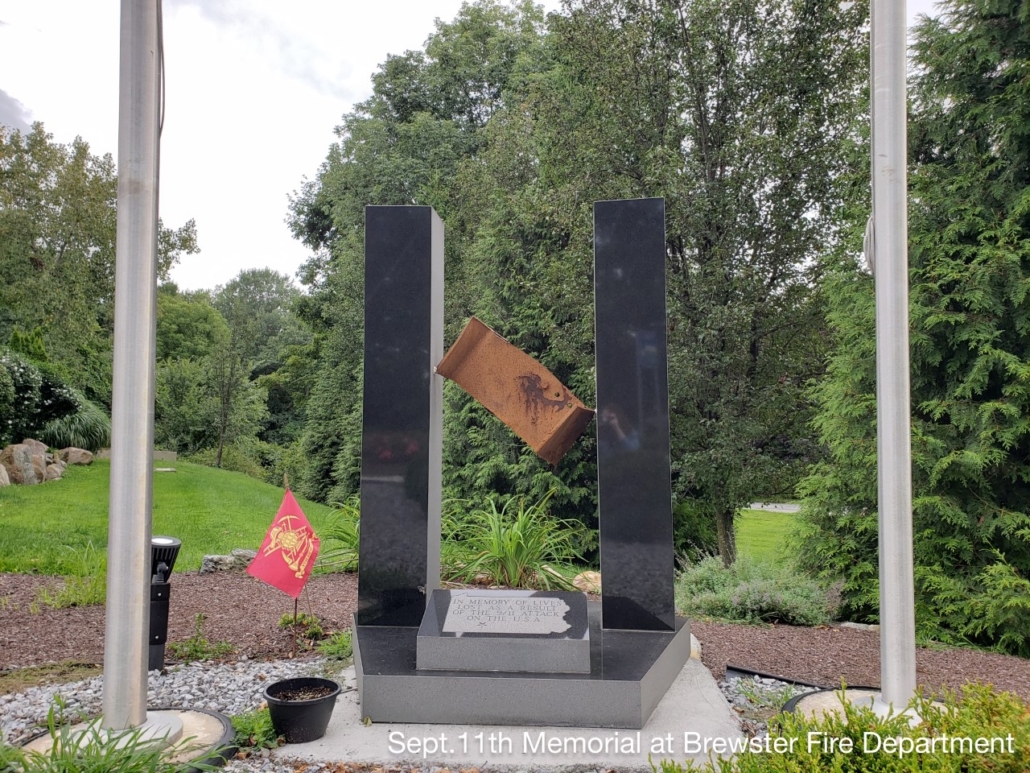
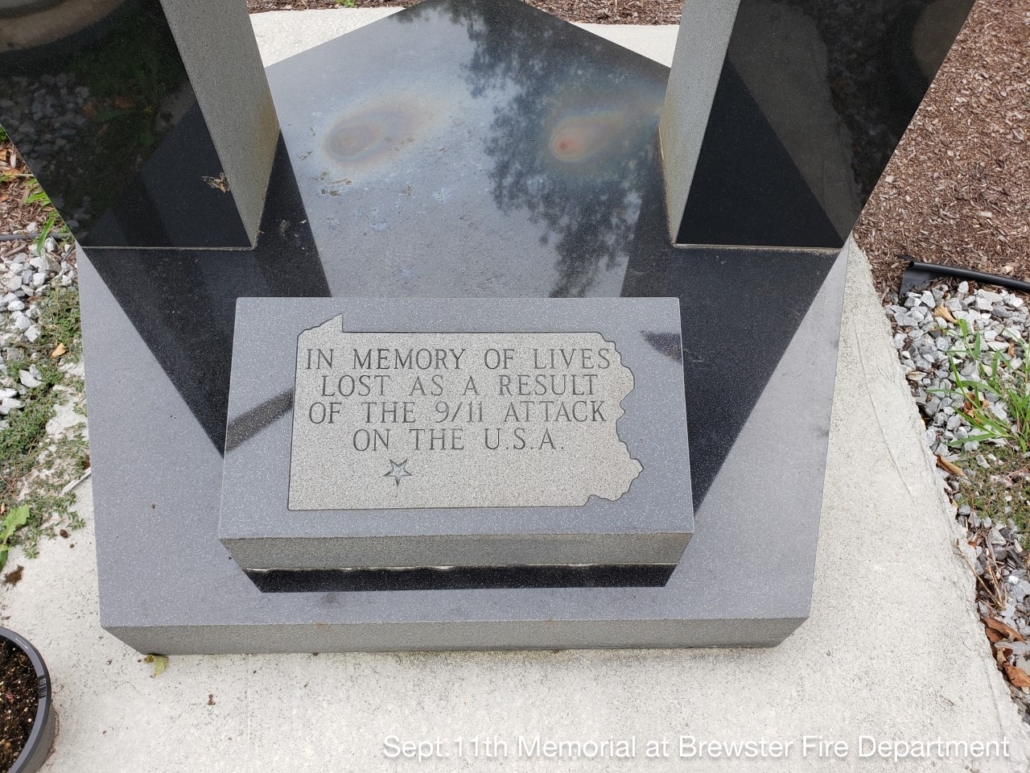
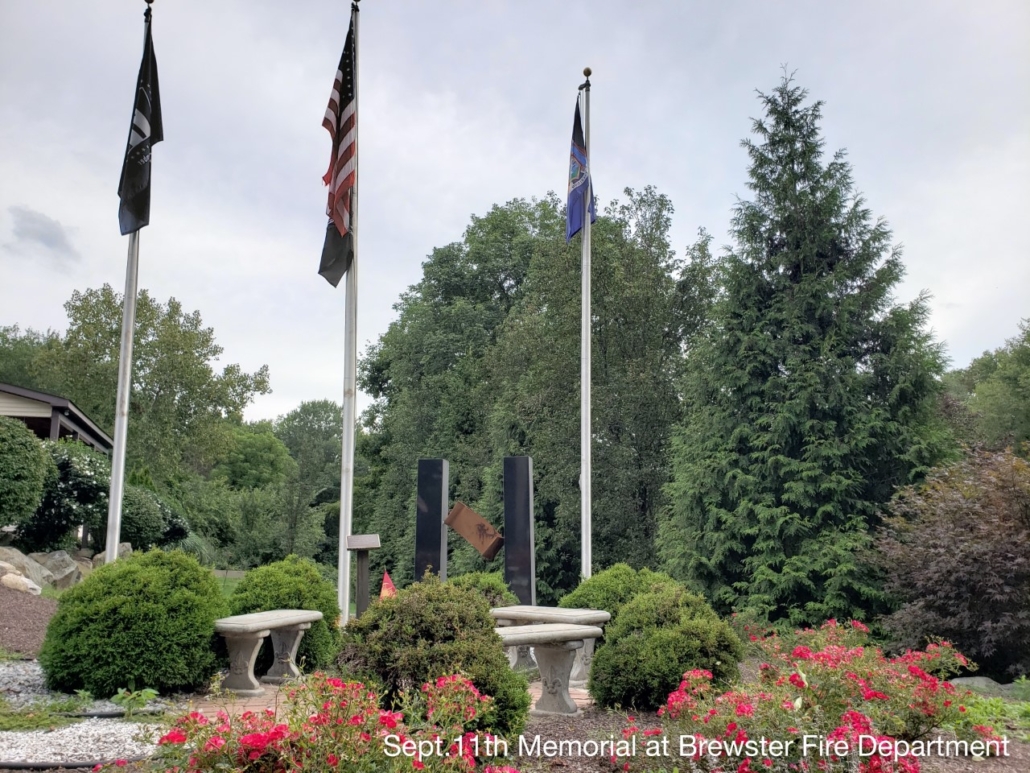
  • Remembering September 11 Th Aroundputnam Pcny 18 BREWSTER FIRE DEPT 1030 X 773

  • Remembering September 11 Th Aroundputnam Pcny 19 BREWSTER FIRE DEPT 1030 X 773

  • Remembering September 11 Th Aroundputnam Pcny 20 BREWSTER FIRE DEPT 1030 X 773

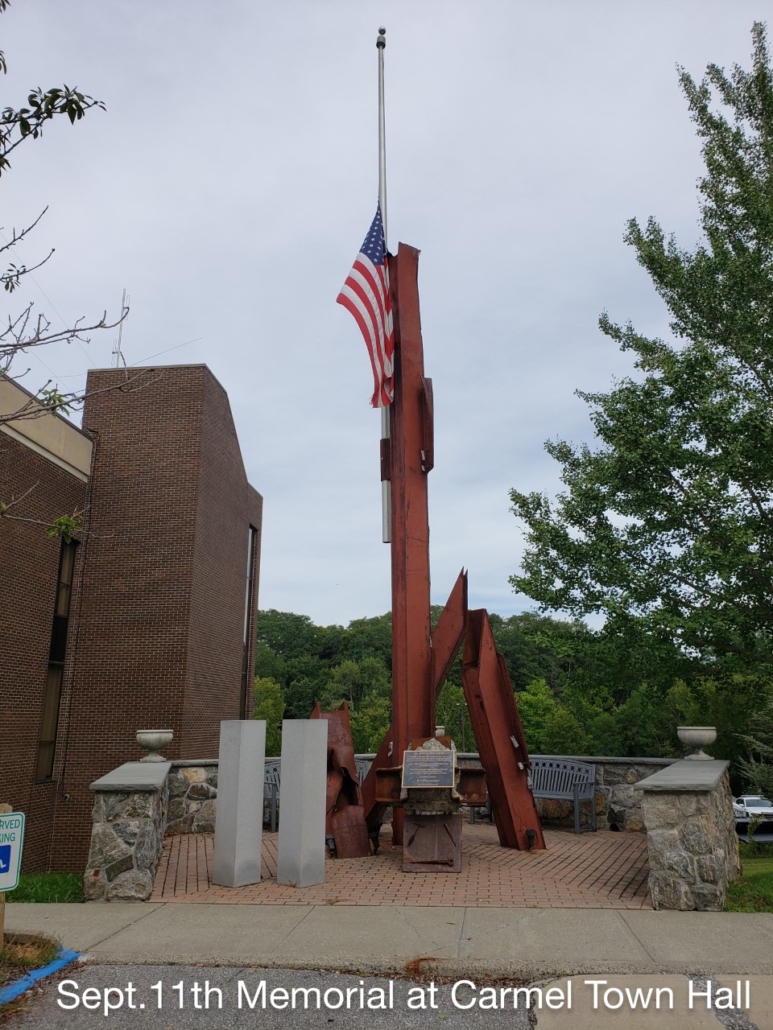
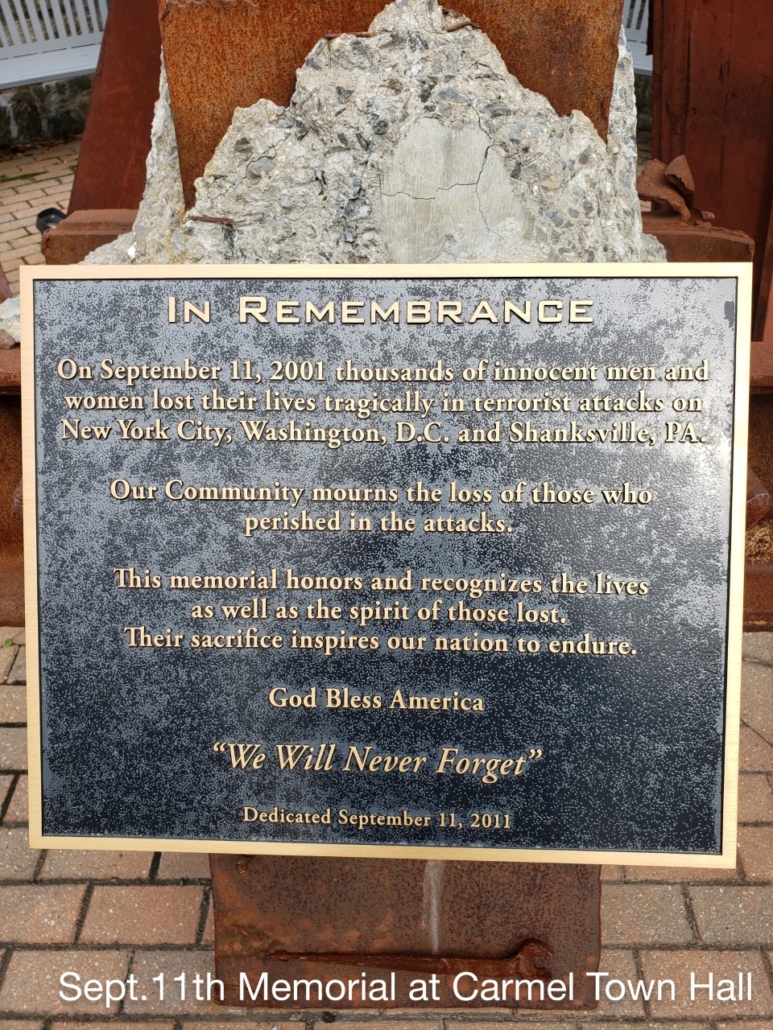
  • Remembering September 11 Th Aroundputnam Pcny 21 CARMEL TOWN HALL 773 X 1030

  • Remembering September 11 Th Aroundputnam Pcny 22 CARMEL TOWN HALL 773 X 1030

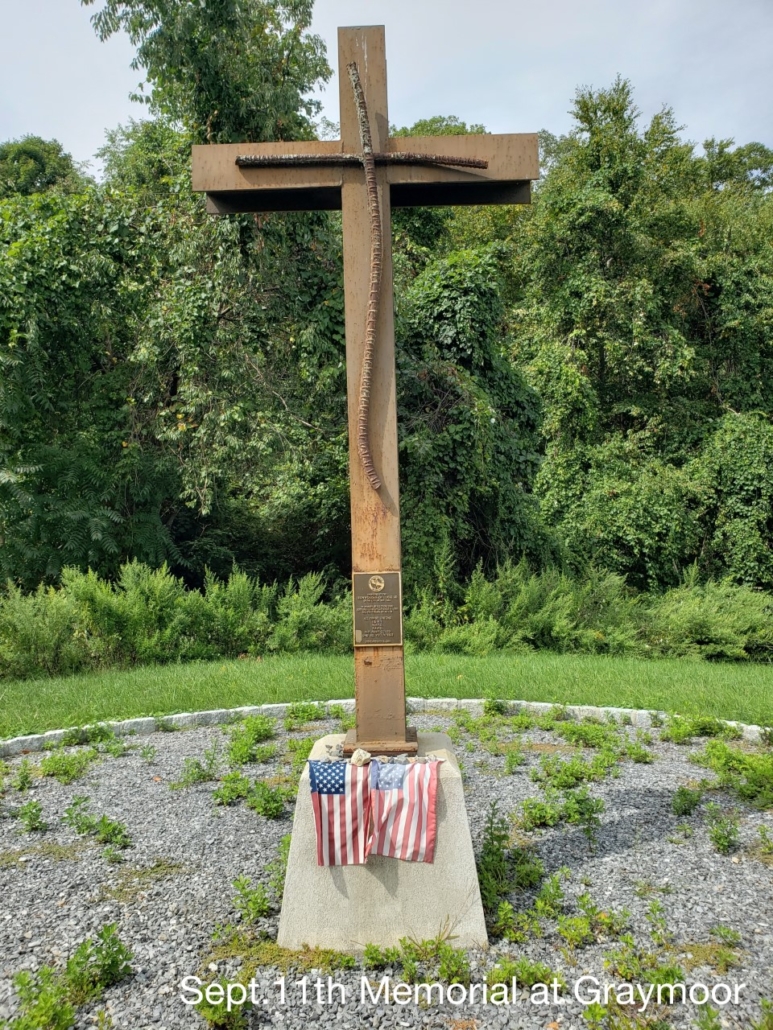
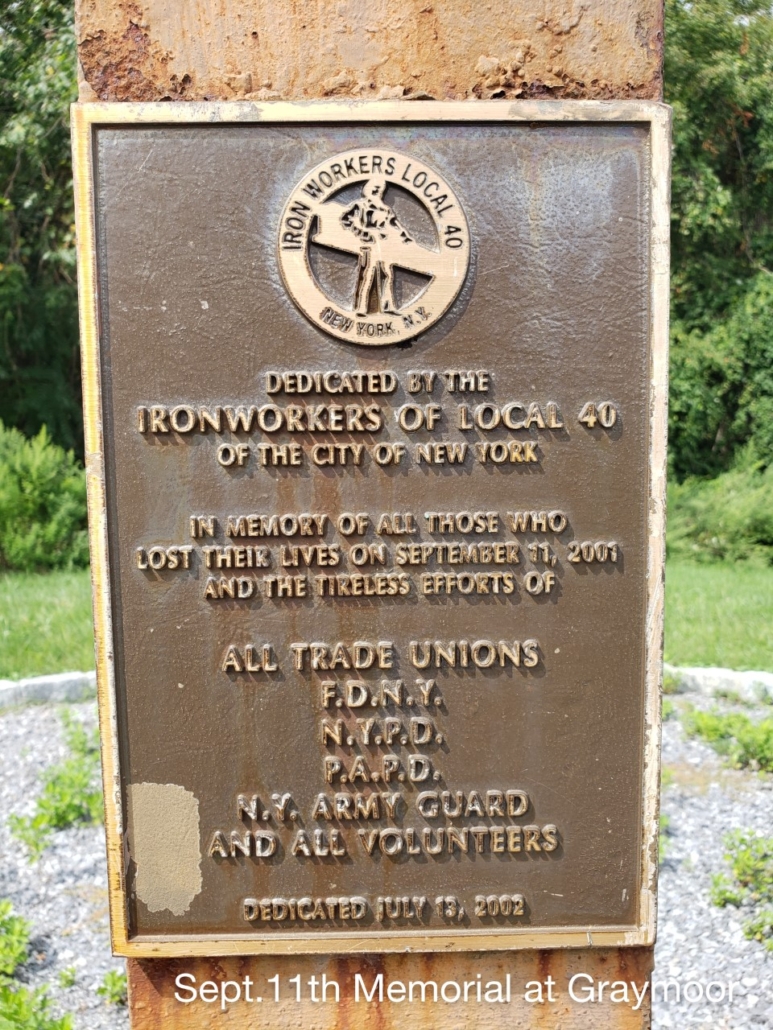
  • Remembering September 11 Th Aroundputnam Pcny 23 GRAYMOOR 1030 X 773

  • Remembering September 11 Th Aroundputnam Pcny 24 GRAYMOOR 773 X 1030

  • Remembering September 11 Th Aroundputnam Pcny 25 GRAYMOOR 773 X 1030

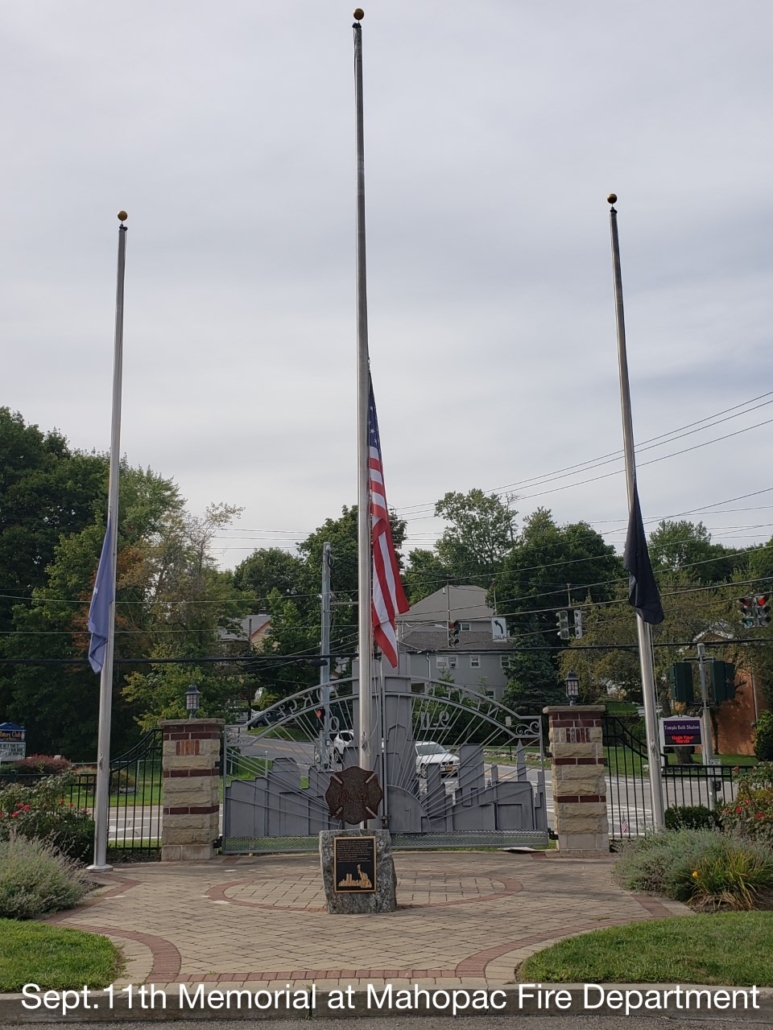
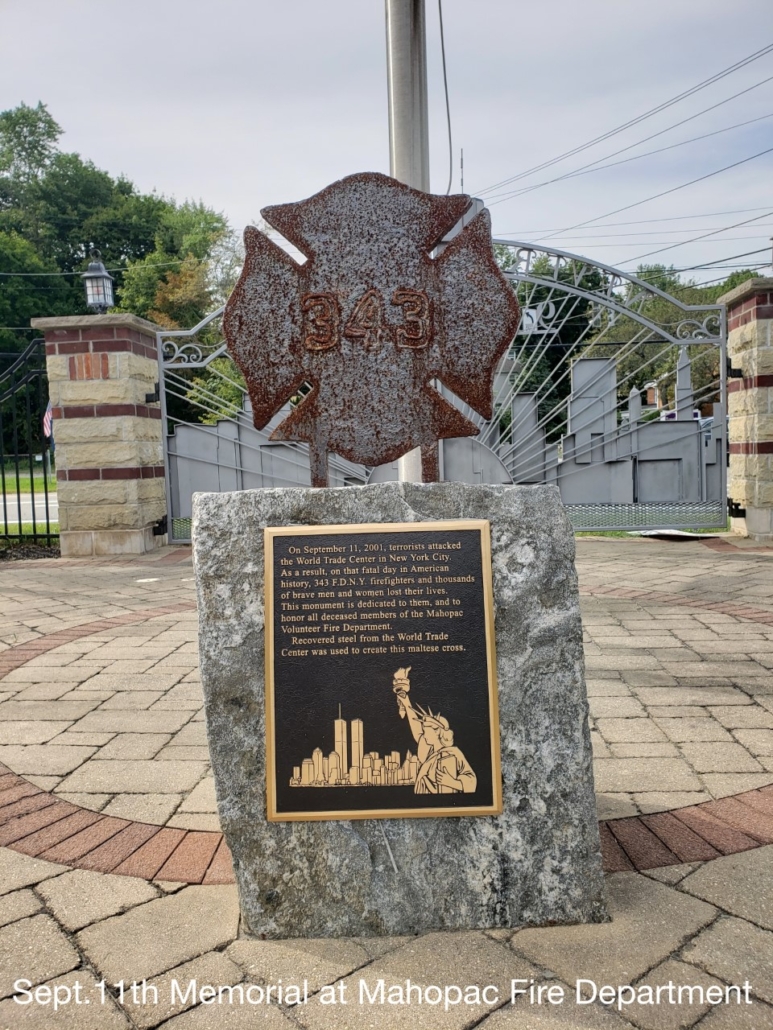
  • Remembering September 11 Th Aroundputnam Pcny 26 MAHOPAC FIRE DEPT 773 X 1030

  • Remembering September 11 Th Aroundputnam Pcny 27 MAHOPAC FIRE DEPT 773 X 1030

  • Remembering September 11 Th Aroundputnam Pcny 28 PUTNAM VALLY TOWN HALL 1030 X 773

  • Remembering September 11 Th Aroundputnam Pcny 29 PUTNAM VALLEY TOWN HALL 1030 X 773

  • Remembering September 11 Th Aroundputnam Pcny 30 PUTNAM VALLEY TOWN HALL 1030 X 773

  • Remembering September 11 Th Aroundputnam Pcny 31 PUTNAM VALLEY TOWN HALL 1030 X 773

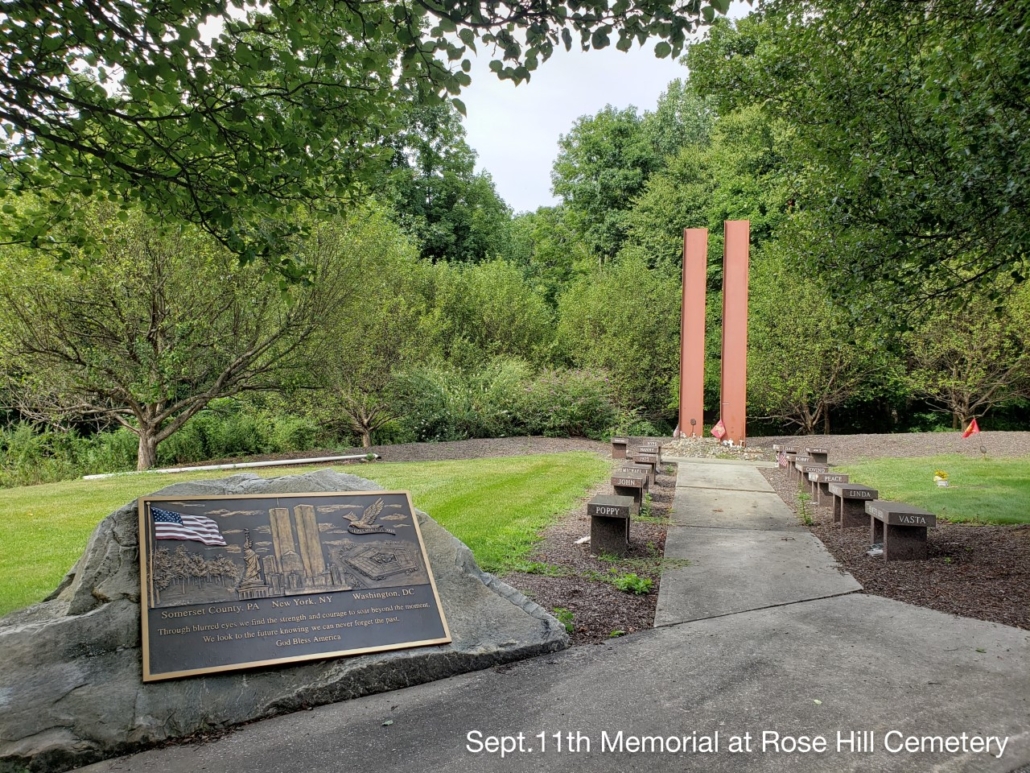
  • Remembering September 11 Th Aroundputnam Pcny 32 ROSE HILL CEMETERY 1030 X 773

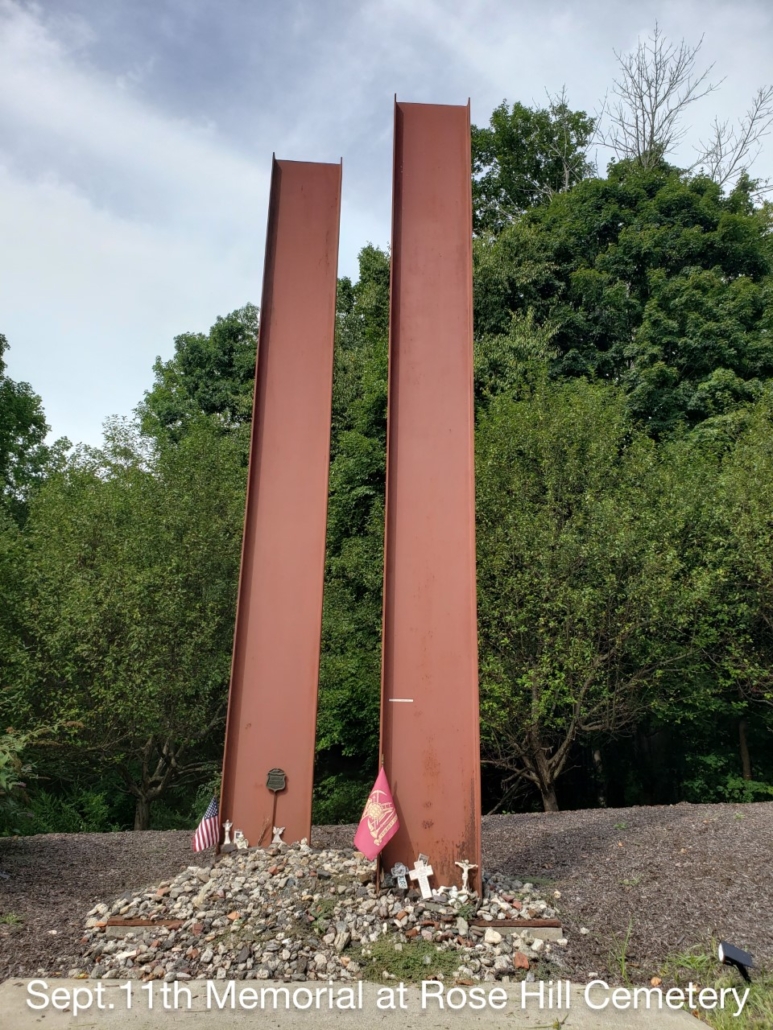
  • Remembering September 11 Th Aroundputnam Pcny 33 ROSE HILL CEMETERY 773 X 1030

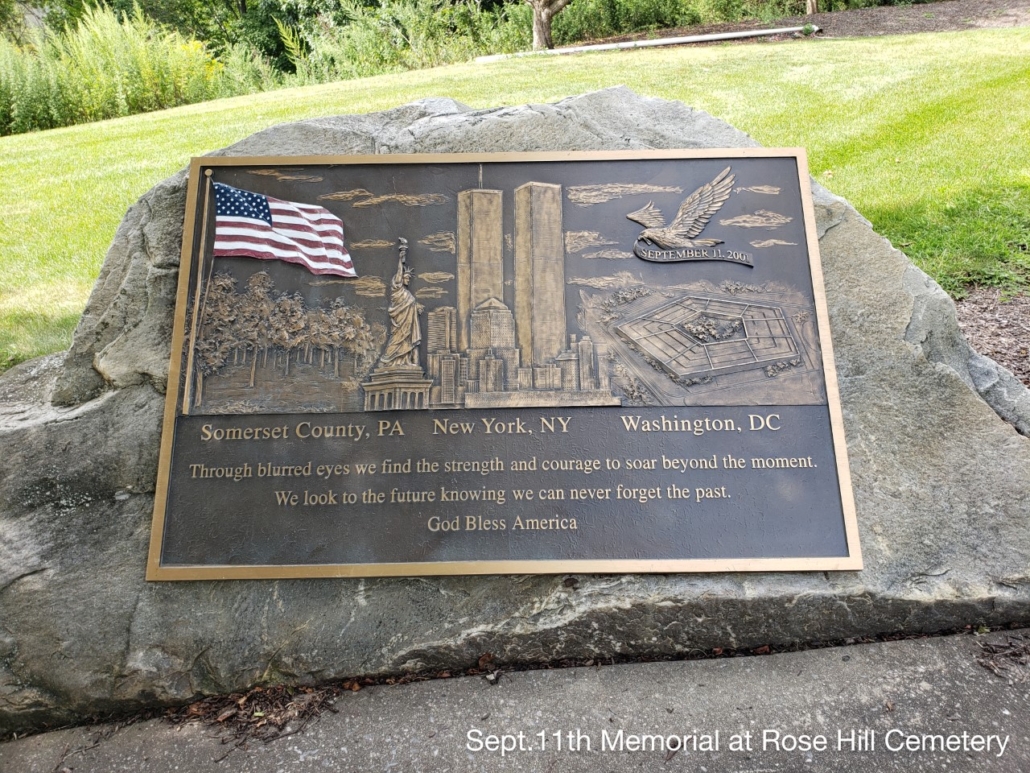
  • Remembering September 11 Th Aroundputnam Pcny 34 CEMETERY 1030 X 773

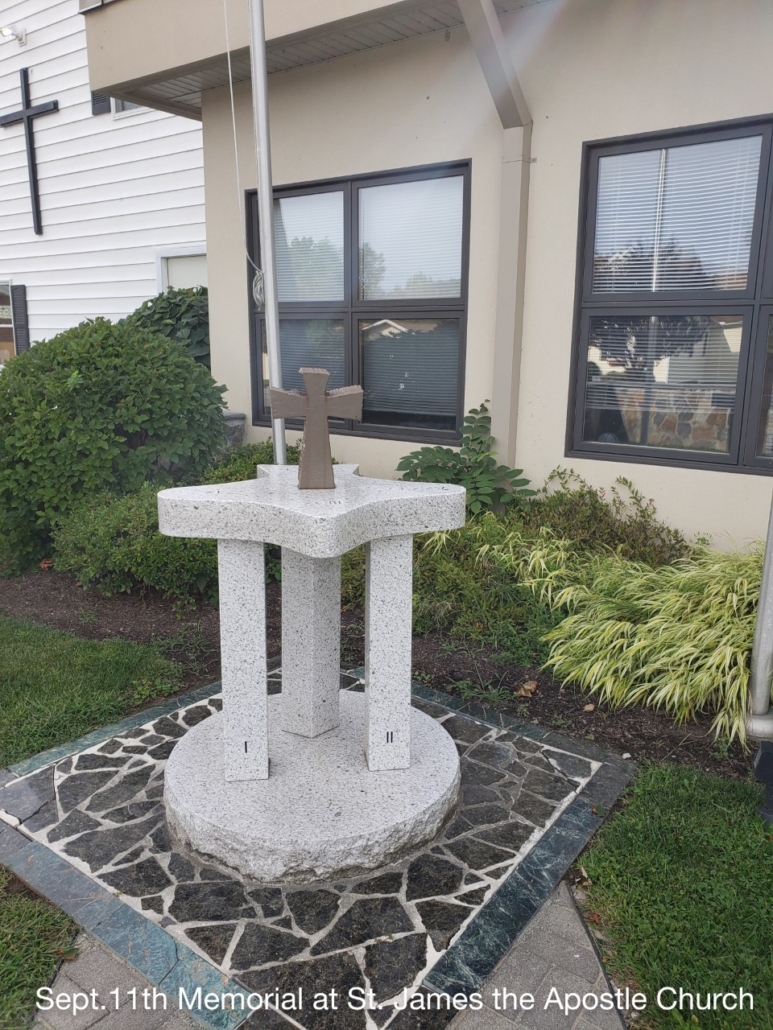
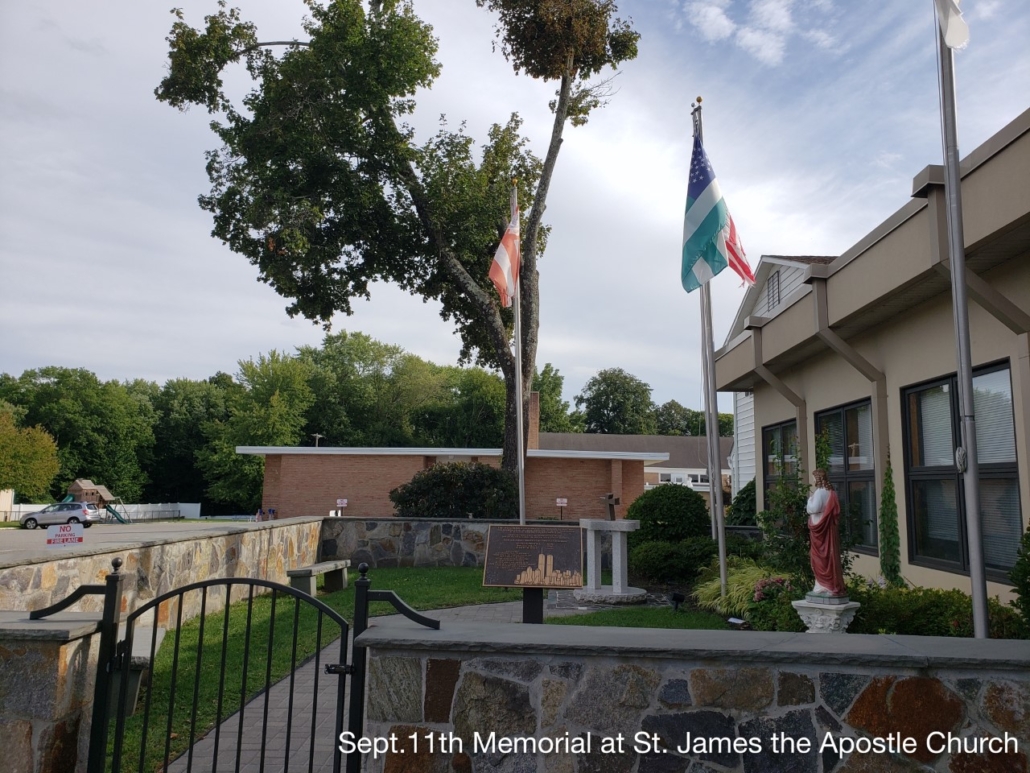
  • Remembering September 11 Th Aroundputnam Pcny 35 ST JAMES 773 X 1030

  • Remembering September 11 Th Aroundputnam Pcny 36 ST JAMES 1030 X 773

SPECIAL THANKS TO

Putnam Heroes Memorial Gives Thanks To:

Stephen P. Driscoll Memorial Pipe Band

Putnam Chorale

Sergeant Joseph Baldanza

Radovich & Dean Music

Putnam Bureau of Emergency Services

Putnam County Civil Air Patrol

Putnam County Executive’s Office

Putnam County Department of Highways & Facilities

Putnam County’s Office of Information Technology

Putnam County Sheriff's Office & Cadet Corp

The Fire Departments of Brewster, Carmel, Lake Carmel & Mahopac

Brewster-Carmel Garden Club

The Carmel Ambulance Corp

Carmel Police Department

Kent Police Department & Cadet Corp

F.O.P. Stephen P. Driscoll Memorial Lodge #704

Knights of Columbus Council #6318

Ladies Auxiliary Council #6318

New York City Firefighters of Hudson Valley

Mt. Carmel Baptist Church

New York State Police

Guardian Revival

Putnam County Moments

Cargains Funeral Home

If you would like to donate to the Putnam Heroes Memorial, please send a check to Putnam Heroes Memorial, PO Box 7, Carmel, NY 10512

Read more …911candlelightvigil

  • Created on .
  • Last updated on .
  • Hits: 14151

BES WINTER PLAN

Putnam County Bureau of Emergency Services

Winter Plan


KNOW YOUR WINTER
WEATHER TERMS

Winter Storm Warning: Issued when hazardous winter weather in the form of heavy snow, heavy freezing rain, or heavy sleet is imminent or occurring. Winter Storm Warnings are usually issued 12 to 24 hours before the event is expected to begin.

Winter Storm Watch: Alerts the public to the possibility of a blizzard, heavy snow, heavy freezing rain, or heavy sleet. Winter Storm Watches are usually issued 12 to 48 hours before the beginning of a Winter Storm.

Winter Storm Outlook: Issued prior to a Winter Storm Watch. The Outlook is given when forecasters believe winter storm conditions are possible and are usually issued 3 to 7 days in advance of a winter storm.

Blizzard Warning: Issued for sustained or gusty winds of 35 mph or more and falling or blowing snow creating visibilities at or below ¼ mile; these conditions should persist for at least three hours.

Wind Chill Warning: Issued when wind chill temperatures are expected to be hazardous to life within several minutes of exposure.

Winter Weather Advisories: Issued for accumulations of snow, freezing rain, freezing drizzle, and sleet which will cause significant inconveniences and, if caution is not exercised, could lead to life-threatening situations.

Snow Flurries: Light snow falling for short durations. No accumulation or light dusting is all that is expected.

Snow Showers: Snow falling at varying intensities for brief periods of time. Some accumulation is possible.

Blowing Snow: Wind-driven snow that reduces visibility and causes significant drifting. Blowing snow may be snow that is falling and/or loose snow on the ground picked up by the wind.

Sleet: Rain drops that freeze into ice pellets before reaching the ground. Sleet usually bounces when hitting a surface and does not stick to objects. However, it can accumulate like snow and cause a hazard to motorists.

Freezing Rain: Rain that falls onto a surface with a temperature below freezing. This causes it to freeze to surfaces, such as trees, cars, and roads, forming a coating or glaze of ice. Even small accumulations of ice can cause a significant hazard.

Hard Freeze Warning: When temperatures are expected to drop below 28°F for an extended period of time

Freeze Warning: When temperatures are forecasted to go below 32°F for a long period of time

Freeze Watch: when there is a potential for significant, widespread freezing temperatures within the next 24-36 hours.

Windchill: It is the temperature it “feels like” outside and is based on the rate of heat loss from exposed skin caused by the effects of wind and cold. As the wind increases, heat is carried away from the body at an accelerated rate driving down the body temperature.

Windchill warning is issued when wind chill temperatures are life threatening.

Windchill advisory: issued when wind chill temperatures are potentially hazardous.

Injuries Related to Cold

  • 50% happen to people over 60 years old
  • More than 75% happen to males
  • About 20% occur in the home

Frostbite is damage to body tissue caused by extreme cold. A wind chill of -20° Fahrenheit (F) will cause frostbite in just 30 minutes. Frostbite causes a loss of feeling and a white or pale appearance in extremities, such as fingers, toes, ear lobes or the tip of the nose.

Frost bite could potentially cause permanent damage and in severe cases lead to amputation.

Don’t rub your hands together – if you have frost nip or frost bite, rubbing could cause tissue damage. If you think you may be developing frostbite and are wearing gloves or mittens, do not remove. Removal could also cause tissue damage.

If you must wait for help, slowly rewarm affected areas. However, if the person is also showing signs of hypothermia, warm the body core before the extremities.

Hypothermia is a condition brought on when the body temperature drops to less than 95°F. It can kill. For those who survive, there are likely to be lasting kidney, liver and pancreas problems.

 Warning signs include uncontrollable shivering, memory loss, disorientation, incoherence, slurred speech, drowsiness and apparent exhaustion.

Take the person’s temperature. If below 95°F, seek medical care immediately!

If Medical Care is Not Available, warm the person slowly, starting with the body core. Warming the arms and legs first drives cold blood toward the heart and can lead to heart failure. If necessary, use your body heat to help. Get the person into dry clothing and wrap in a warm blanket covering the head and neck. Do not give the person alcohol, drugs, coffee or any hot beverage or food. Warm broth is the first food to offer.

Stay Warm, Dress Warm, Stay Connected!

Stay Warm

  • Do not venture outside if it’s not necessary.
  • If you must go outside, plan to dress properly.
  • See tips below on how to dress warm!
  • Know where you will go if your home becomes too cold:
  • Friend or family home
  • Warming center. (Identify warming centers in Putnam)

Dress Warm

  • Dress in three or more layers. One big thick winter coat tends not to do the trick.
  • Wear layers of loose-fitting, lightweight, warm clothing. Trapped air between the layers will insulate you.
  • Outer garments should be tightly woven, water repellent and hooded.
  • Keep your head covered with hat or scarf this will stop heat from escaping through your head.
  • Wear hiking boots or snow specific boots. Keep your feet dry by changing your socks often.
  • Keep your hands covered at all time and remember mittens are warmer than gloves.
  • Cover your mouth to protect your lungs from extreme cold.

Stay Connected

  • Make sure all your phones are charged.
  • Plan to check on loved ones and neighbors to make sure they are staying warm.
  • Have a contact list so you can easily reach out to your neighbors before the storm to make sure they are prepared.
  • Have a storm preparedness plan with your family.
  • If you travel make sure a family member or friend knows where you are going, the route you are taking and the approximate time it will take you to get there.
  • Once at your location, check in with your family or friends.
  • Community Storm Resources:
    1. HEAP
    2. Blizzard Boxes
    3. Warming Centers

Are You Prepared?

  • Pre-Winter Home Preparation

    Before the winter season begins you need to make sure you can heat your home sufficiently.

    • Check and replace if needed you home insulation, caulking and weather stripping.
    • If you have a backup generator, make sure it is fueled in and good working order.
    • If you have a fireplace or wood burning stove, have it serviced.
    • Make sure you have an adequate amount of firewood on hand.
    • Check extension cords to make sure they are in good working order.
    • Test fire alarms and have a fire extinguisher on hand.
    • Make sure you have adequate heating oil.
    • Purchase salt for sidewalks and driveway
    • Have shovels handy.

    During the Storm: 

    • Keep the temperature in the home consistent during the day and night.
    • To conserve fuel, keep your home slightly cooler than usual.
    • If you leave home for an extended period of time, set the temperature at a minimum of 55 degrees.
    • Seal off rooms that are not being used. Turn off heating vents in those areas and place towels under the doors to prevent drafts.
    • Make sure all exterior and garage doors are closed.
    • If using Kerosine heaters, refuel them outside of the house and when using indoors keep them at least 3 feet away from flammable objects.
    • Maintain ventilation when using kerosene heaters to avoid build-up of toxic fumes.
    • Make sure all portable and electric heaters have an automatic shut off.
    • Avoid using candles as a source of heat.
    • Let your faucets drip to make sure the pipes don’t freeze.
    • Prop open cabinet doors in your kitchen and bathroom so warmer air can circulate around the plumbing.
    • If the pipes freeze, remove any insulation or layers of newspapers and wrap pipes in towels or rags.
    • Completely open all faucets and pour hot water over the pipes, starting where they were most exposed to the cold (or where the cold was most likely to penetrate).
    • Shut of the main water pipes to minimize damage to the home.
    • Keep an eye on the snow accumulating on the roof. One foot of snow is not likely to cause damage but with every inch the weight of the snow increases and could become a problem.
  • Home Preparedness Supplies

    • Bottled water on hand in case of no water. If the storm is ongoing, it is recommended to have one gallon of water per person for each day.
    • Keep a three-day supply of non-perishable food on hand.
      • Nuts, granola bars, dried fruit, jerky\
      • Non-electric can opener.
    • Make sure all electronic devices are charged. - phones, tablets, etc.
    • Battery-powered or hand crank radio and a NOAA Weather Radio with tone alert and extra batteries for both
    • Flashlight and extra batteries
    • Lighters or matches.
    • Moist towelettes, garbage bags and plastic ties for personal sanitation
    • Wrench or pliers to turn off utilities.
    • Prescription drugs and medication
    • First aid kit
      • Adhesive bandages
      • Medical Tape
      • Antiseptic
      • Gauze
      • Scissors

    What to do During the Storm

    • Remember to stay hydrated.
    • Stay well nourished. Eating generates energy and helps to keep your body warm.
    • Avoid over exertion such as shoveling snow and walking in deep snow; Sweating could lead to chill and hypothermia.
  • Pre-Winter Vehicle Preparation

    • Have your vehicle serviced prior to the winter months.
    • Have an oil change if needed.
    • Check battery and replace if needed.
    • Check your window wipers and replace if worn.
    • Make sure all vehicle fluids are at the proper levels. Especially window wiper fluid.
    • Check to see if the car tires are inflated to the recommended amount.
    • Check spare tire to make sure it is inflated.
    • Make sure your brakes are in good working order!
  • Vehicle Specific Emergency Kit

    1. Snow tire chains
    2. Tow ropes
    3. Jack and lug wrench
    4. Window scraper
    5. Shovel
    6. Sand, salt, or kitty litter
    7. Jumper cables
    8. Flares
    9. Flashlight with spare batteries
    10. Extra window washing fluid.
    11. Phone chargers
    12. First Aid kit
    13. Tool Kit
    14. Duct Tape
    15. Blankets
    16. Bottled water and non-perishable snacks
    17. Spare Cash and change
    18. Maps, toilet paper, paper towels and garbage bags
  • Vehicle Tips During the Storm

    1. When warming up your vehicle, make sure the exhaust pipe is not blocked by snow.
    2. Using hand sanitizer on the key before placing in lock will help with turn locks that may be frozen.
    3. Make sure you have a full tank of gas and top off your window wiper fluid.
    4. Place a window cleaner and snow shovel in your vehicle.
  • How to Prepare for an outage

    Items to keep on hand:

    • Cooler to keep perishable food cold.
    • Ice to place in the coolers
    • Flashlight with new batteries
    • Radio
    • First Aid Kit
    • Medications
    • Charged Cell phones.

    What to do during a power outage:

    • Keep refrigerator and freezer doors closed as much as possible. First use perishable food from the refrigerator. An unopened refrigerator will keep foods cold for about 4 hours.
    • Then use food from the freezer. A full freezer will keep the temperature for about 48 hours (24 hours if it is half full) if the door remains closed.
    • Use your non-perishable foods and staples after using food from the refrigerator and freezer.
    • If it looks like the power outage will continue beyond a day, prepare a cooler with ice for your freezer items.
    • Keep food in a dry, cool spot and keep it covered at all times.
    • Turn off and unplug all unnecessary electrical equipment, including sensitive electronics.
    • Turn off or disconnect any appliances (like stoves), equipment or electronics you were using when the power went out. When power comes back on, surges or spikes can damage equipment.
    • Leave one light turned on so you’ll know when the power comes back on.
    • Eliminate unnecessary travel, especially by car. Traffic lights will be out and roads will be congested. Using generators safely.
    • When using a portable generator, connect the equipment you want to power directly to the outlets on the generator. Do not connect a portable generator to a home’s electrical system.
    • If you are considering getting a generator, get advice from a professional, such as an electrician. Make sure that the generator you purchase is rated for the power that you think you will need.

     What to do when the power comes back on:

    • Do not touch any electrical power lines and keep your family away from them.
    • Report downed power lines to the appropriate officials in your area.
    • Throw out unsafe food.
    • Throw away any food that has been exposed to temperatures 40° F (4° C) for 2 hours or more or that has an unusual odor, color or texture. When in doubt, throw it out!
    • Never taste food or rely on appearance or odor to determine its safety. Some foods may look and smell fine, but if they have been at room temperature too long, bacteria causing food-borne illnesses can start growing quickly. Some types of bacteria produce toxins that cannot be destroyed by cooking.
    • If food in the freezer is colder than 40° F and has ice crystals on it, you can refreeze it.
    • If you are not sure food is cold enough, take its temperature with the food thermometer. Throw out any foods (meat, poultry, fish, eggs and leftovers) that have been exposed to temperatures higher than 40° F (4° C) for 2 hours or more, and any food that has an unusual odor, color or texture, or feels warm to touch. Caution: Carbon Monoxide Kills
    • Never use a generator, grill, camp stove or other gasoline, propane, natural gas or charcoal-burning devices inside a home, garage, basement, crawlspace or any partially enclosed area. Locate unit away from doors, windows and vents that could allow carbon monoxide to come indoors.
    • The primary hazards to avoid when using alternate sources for electricity, heating or cooking are carbon monoxide poisoning, electric shock and fire.
    • Install carbon monoxide alarms in central locations on every level of your home and outside sleeping areas to provide early warning of accumulating carbon monoxide.
    • If the carbon monoxide alarm sounds, move quickly to a fresh air location outdoors or by an open window or door.
  • Driving in Winter Conditions

    Before you leave your house:

    1. Consider public transportation if available.
    2. Check the latest weather conditions on your planned travel route.
    3. Be especially cautious in sleet and freezing rain.
    4. Travel during the day and avoid nighttime driving.
    5. Provide your itinerary to a friend, relative or coworker including the route you will travel and time frame.
    6. Make sure to let them know you arrived safely

    Driving Tips (not sure if we can use this)

    • Buckle your seatbelts.
    • Be prepared to turn back if the roads are unpassable.
    • Keep your windows clear of ice and snow. Do not drive until your windows are defrosted.
    • Increase following distance from other vehicles.
    • Watch for slick spots especially under bridges and on overpasses.
    • If the pavement is snow or ice covered, start off slowly and brake gently. Begin braking early when you come to a stop sign or intersection.
    • IF you start to slide ease off the gas pedal or brakes. Steer into the direction of the skid until you have regained traction and then straighten your vehicle.
    • When a snowplow is coming toward you, allow plenty of room for the truck to pass. When the center line is being cleared and salted, the plow tip may be on or over the line.
    • When you approach a snowplow from behind pass with care and only when you can see the road ahead of the truck. You should not try to pass in the blowing snow there may be a vehicle in the cloud of snow. Allow more distance between you and the plow than normal.
    • Refuel often keeping your gas tank near full to prevent ice in the tank and fuel lines which could leave you stranded.
  • If You Are in an Accident or are Stranded

    • Pull of the road as far as possible
    • Set hazard lights to flashing and hang or tie a colored cloth to your antenna window or door.
    • After the snow stops falling, raise your hood to indicate you need assistance.
    • Stay in the vehicle and wait for help. Do not leave the vehicle to search for assistance unless help is visible within 100 yards (91 meters). 
    • If your vehicle becomes stuck in the snow call a towing company but be prepared to wait in the cold weather for up to several hours.
    • If you can be safely pulled out by another vehicle, make sure you use tow ropes with loops on the ends. Avoid chains or hooks if at all possible since these can slip off and recoil very quickly causing injury or death.
    • Display a trouble sign to indicate you need help. Hang a brightly colored cloth (preferably red) on the radio antenna and raise the hood after snow stops falling.
    • Turn on the engine for about 10 minutes each hour.  Use the heater while the engine is running. Keep the exhaust pipe clear of snow, and slightly open a downwind window for ventilation.
    • Leave the overhead light on when the engine is running so that you can be seen.
    • Do light exercises to keep up circulation. Clap your hands and move your arms and legs occasionally. 
    • Huddle together for warmth. Wrap yourself in newspapers, maps, and even the removable floor mats to help trap more body heat.
    • Drink fluids to avoid dehydration, which can make you more susceptible to the ill effects of cold and to heart attacks.
    • Avoid overexertion. Shoveling snow or pushing a vehicle can bring on a heart attack or make other medical conditions worse.
    • Auto accidents are unexpected and stressful. Even the most careful drivers may be involved. If you have recently been involved in an accident, begin reporting a claim.

    Be Prepared

    • Carry a set of cones, warning triangles, or emergency flares in your trunk to help alert traffic.
    • It also helps to have a pen and a card with any relevant medical information for you and your family.

    Immediately After an Accident

    • Take a deep breath and stay calm.
    • Check for injuries; call an ambulance when in doubt.
    • If accident is minor, move cars to a safe place, out of traffic.
    • Turn on your vehicle’s hazard lights and use cones, warning triangles or flares for safety.
    • Call the police, even if the accident is minor.
    • Notify your insurance agent immediately.

    Other Important Tips

    • Make immediate notes about the accident, including specific damages to all vehicles involved, witness information, etc.
    • If the name on an auto registration is different than the driver, jot down the relationship.
    • Be polite, but don’t tell anyone the accident was your fault, even if you think it was.
    • State only the facts and limit your discussion of the accident to the police and your insurance agent.
    • If possible, don’t leave the accident scene before the police and other drivers do.

HALLOWEEN SAFETY TIPS & SUGGESTIONS

To ensure you and your little one’s have a safe holiday, FDA.GOV has complied a list of Halloween safety tips.

Carefully Chosen Costumes

  • Before Halloween arrives, be sure to choose a costume that won't cause safety hazards.
  • All costumes, wigs and accessories should be fire-resistant.
  • If children are allowed to go out after dark, fasten reflective tape to their costumes and bags and have them carry glow sticks.
  • Opt for non-toxic Halloween Makeup over masks since masks can obscure vision.
  • Remove all makeup before they go to bed to prevent skin irritation.

Additional Safety Suggestions

  • A responsible adult should accompany young children on the neighborhood rounds.
  • If your older children are going alone, plan and review a route acceptable to you.
  • Only go to homes where the porch light is on.
  • Agree on a specific time children should return home.
  • Teach your children never to enter a stranger's home or car.
  • Instruct children to travel only in familiar, well-lit areas and stick with their friends.

Read more …BES WINTER PLAN

  • Created on .
  • Last updated on .
  • Hits: 3300

Halloween Candy Safety

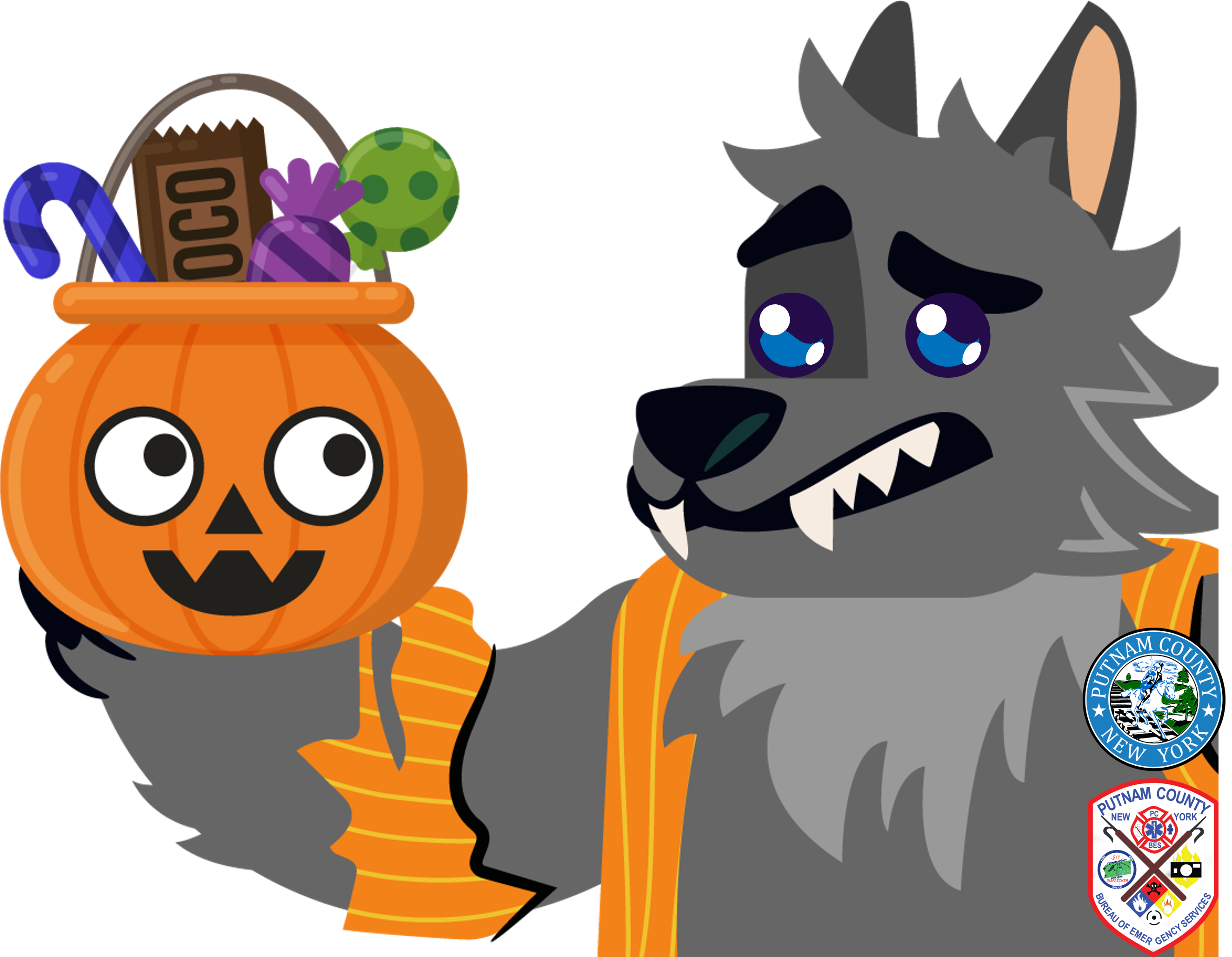
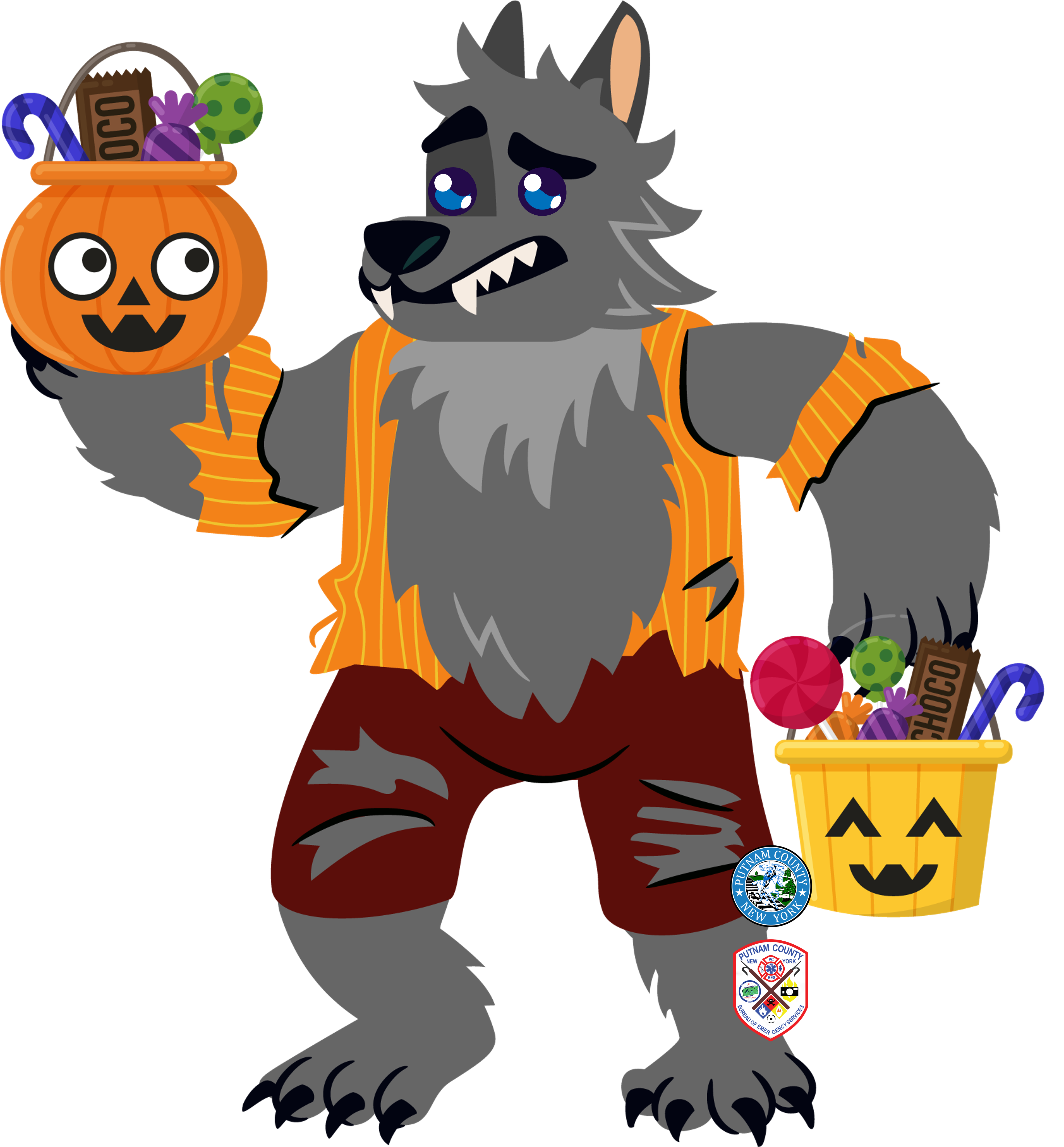
BEWARE-WOLF PRESENTS:

Operation Halloween
Candy Safety

DON'T BE TRICKED BY YOUR TREATS!

Halloween is many people’s favorite holiday, and the Bureau of Emergency Services wants to make sure it is enjoyed to the fullest. Below are some tips for a fun and safe Halloween: 

  1. Definitions and descriptions of Edibles with the potential side effects. 

  2. Tips for inspecting Halloween candy for Imitations or tampering. 

  3. Sorting Sweets with your children that teaches and entertains while you check the Halloween loot for concerns. 

  4. General Halloween Safety tips for keeping your little ghouls and goblins safe.


WHAT YOU SHOULD KNOW

  • Edibles!

    Edibles are food and drink products that are made with marijuana extract. Marijuana edibles come in various forms and can be commercially made or homemade.  

    Edibles take longer to digest and produce a high. Therefore, youth may consume more to feel the effects faster, leading to an increase in dangerous results. (National Institutes of Health) 

    Edibles come in candy, cookies, and ice cream which are attractive to youth. (Smart Approaches to Marijuana) 

    Taken in large doses, marijuana edibles can lead to anxiety attacks, paranoia, and hallucinations. Several case reports involving kids who took edibles found that respiratory insufficiency can also be a major side effect in young children. (Drug Abuse, American Addiction Centers) 

  • DELTA 8 Edibles

    Delta 8 - Delta-8 THC (or delta-8 tetrahydrocannabinol) is a naturally occurring chemical compound, called a cannabinoid, that’s found in traces in hemp and cannabis(marijuana) plants.

    In some states, you can legally buy products like gummies, vapes cartridges, and capsules that contain a concentrated form of this compound.

    The popularity of products that contain delta-8 is on the rise, and you can find them everywhere, from boutique weed dispensaries to convenience store shelves.

  • THC and Cannabis Edibles

    THC gummies — also known as weed gummies or marijuana gummies — are edible cannabis products that are infused with THC, the psychoactive ingredient in marijuana. THC gummies can often look just like regular candy, making them a tempting snack for kids.

    In addition to gummies, other edible cannabis products containing THC may include:

    Chocolate bars, candies, lollipops, fudge, popcorn, and ice cream.

    Baked items like cookies, brownies, and cupcakes.

    Sweetened beverages like soda and lemonade.

    These cannabis products often look like a real piece of candy or sweet treat, but just one serving may contain several times the recommended dose of THC for adults, making children very sick and may require a trip to the emergency department or hospitalization. (American Association of Poison Control Centers)

  • Keep an eye out for confusing THC packaging

    Manufactured cannabis edibles containing THC have often been packaged to look just like regular foods. In recent years, many states — including California — have put laws in place to make sure that marijuana edible packages are clearly marked and not enticing for children. (American Association of Poison Control Centers)

    WRAL News State Targets Counterfeit THC Laced Snacks:

  • Signs of a THC Overdose General Population

    If you are exhibiting any of these symptoms, call 911.

    A marijuana overdose is becoming increasingly common for a variety of reasons. An overdose of THC is dose-related, and the risk of overdose is higher when eating marijuana vs. smoking it.

    Common symptoms of a THC overdose can inlcude:

    • Poor cognitive functioning.
    • Motor impairment.
    • Anxiety, Panic and fear.
    • Agitation.
    • Extreme sedation.
    • Cardiac stress.
    • Vomiting.
    • Psychotic symptoms (e.g., hallucinations, delusions).
  • Signs of a THC Overdose in Children

    If your child is exhibiting any of these symptoms, call 911.

    The concentration and strength of THC in these edible products is very difficult to measure and is often unknown. Consuming even a small amount of THC in a gummy or baked item can cause kids to experience symptoms of a marijuana overdose.

    Children who have consumed cannabis edibles may:

    • Act lethargic.
    • Feel dizzy.
    • Have trouble walking or sitting up.
    • Have an accelerated heart rate.
    • Have trouble breathing.

CANDY INSPECTION GUIDELINES

Advise your little ones not to eat any candy until they’re home. Make sure to give each piece a visual inspection under bright light for signs of:

  • Candy that has strange lumps or foreign objects.
  • Candy that’s unwrapped, ripped, has been opened or not in its original packaging.
  • Candy that smells funny.
  • Candy from any manufacturer you’ve never heard of, is discolored, or stained, or mismatched candy with different colors and pieces.
  • Holes or rips in the wrapper that have been resealed.
  • Homemade treats that were provided from someone you don’t know.

If you find candy that has been tampered with, contact your local police department.

Sorting Sweets while looking for the Imitations:

Here are a few ways you and your children can sort their candy loot while you inspect for anything suspicious:

  • Have them sort their candy by color or shape.
  • Have a race to see who can sort their candy any way they want in three minutes–you just must be able to explain why you sorted it that way.
  • Have them sort their candy by types–chocolate, lollipops, gummies, etc.
  • Have them sort their candy from largest to smallest.
  • Have them practice math skills by adding or subtracting candies.

HALLOWEEN SAFETY TIPS & SUGGESTIONS

To ensure you and your little one’s have a safe holiday, FDA.GOV has complied a list of Halloween safety tips.

Carefully Chosen Costumes

  • Before Halloween arrives, be sure to choose a costume that won't cause safety hazards.
  • All costumes, wigs and accessories should be fire-resistant.
  • If children are allowed to go out after dark, fasten reflective tape to their costumes and bags and have them carry glow sticks.
  • Opt for non-toxic Halloween Makeup over masks since masks can obscure vision.
  • Remove all makeup before they go to bed to prevent skin irritation.

Additional Safety Suggestions

  • A responsible adult should accompany young children on the neighborhood rounds.
  • If your older children are going alone, plan and review a route acceptable to you.
  • Only go to homes where the porch light is on.
  • Agree on a specific time children should return home.
  • Teach your children never to enter a stranger's home or car.
  • Instruct children to travel only in familiar, well-lit areas and stick with their friends.

Read more …Halloween Candy Safety

  • Created on .
  • Last updated on .
  • Hits: 3956

Project Hope - GET INVOLVED

DIAL 9.8.8. IF YOU NEED TO TALK.

THE 988 LIFELINE IS HERE.

BACK TO HOPE HOME

GET
INVOLVED

HOW YOU CAN GET INVOLVED

  • Task Force meetings

    The Putnam County Suicide Prevention Task Force is a coalition composed of dedicated volunteers working to combat suicide in the community.  Members represent a diverse group of professionals including those from mental health and chemical dependency organizations, county departments (such as health, mental health, the Veterans Service Agency, and the Youth Bureau), schools, law enforcement, the coroner's office, clergy, and individuals personally affected by suicide.  Together, they strive to foster collaboration and implement meaningful change.

    The task force meets quarterly.  Please email Marla Behler at This email address is being protected from spambots. You need JavaScript enabled to view it. with "SPTF member sign up" in the subject line to join our e-distro list or for the date/time of our next meeting.  Everyone is welcome!

  • Garden of remembrance

    The Nicole Ettere Memorial Gardens Foundation, Inc. (NEMGF) is dedicated to supporting suicide survivors, those who are left behind struggling to deal and cope with these heartbreaking tragedies of suicide.  It is the Foundation’s goal to create memorial Gardens of Remembrance so that survivors may have a place to go to remember their loved ones who have ended their lives by suicide.  These gardens will be a place to reflect and keep the memory of their loved ones alive.  It is also the Foundation’s goal to increase suicide awareness among the general public to bring about change, help reduce the stigma, and break the silence associated with suicide. 

    The Garden of Remembrance is located at 110 Old Route Six, Carmel, NY.  It was created after Roy and Lucille Ettere lost their daughter, Nicole, by suicide.  They wanted to support other suicide loss survivors by giving them a place to honor their loved ones.  This Garden was dedicated in 2021.  A second garden is planned this year on the Putnam Trailway behind Cove Care.


    Contact and email:  Roy Ettere, 914-469-7307, This email address is being protected from spambots. You need JavaScript enabled to view it.This email address is being protected from spambots. You need JavaScript enabled to view it.

    For Putnam County residents, the family may request their loved one to be included on the bronze plaque (we usually place a "click here to add your loved one's name"  button on our emails and embed this form for their use: CLICK HERE

    Here is the link for survivors to include a memorial tribute of their loved one on the website: CLICK HERE

  • Out of the Darkness Walk

    Join Us Today! 

    The Community Walks, held in hundreds of cities across the country, are the core of the Out of the Darkness movement, which began in 2004. These events give people the courage to open up about their own connections to the cause, and a platform to create a culture that’s smarter about mental health. Friends, family members, neighbors and coworkers walk side-by-side, supporting each other and in memory of those we’ve lost.
    Now, more than ever, it’s important to be there for one another and take steps to safeguard our mental health and prevent suicide.

    Register today and be part of the movement to walk #OutOftheDarkness.

    Find an event

    The Putnam Out of the Darkness Walk is scheduled for Sunday, September 28th

  • LOSS Team Volunteer

    Putnam County recently received a grant from the NYS Office of Mental Health, in partnership with the Suicide Prevention Center of New York to develop a LOSS Team (Local Outreach to Survivors of Suicide).  Losing someone to suicide is a deeply personal and challenging experience.  Statistics show that those impacted by a loss to suicide are at greater risk for suicide themselves and many may not reach out for help for years. Our goal is to change that!

    Stigma around suicide often makes people afraid to say or do the wrong thing so often times, they do nothing at all. LOSS Teams connect survivors of suicide loss with trained peer supporters—people who have experienced a similar loss and truly understand the journey. These teams provide comfort, understanding, and resources at one of the most difficult times in someone’s life.

    LOSS Teams were developed to have ‘peers’, other survivors of suicide, trained to provide support which is recognized nationally as a best practice.  While others can be sympathetic, only those impacted by suicide loss themselves can truly know what that experience feels like.

    In an effort to develop our LOSS team in Putnam, we are seeking survivors of suicide to provide emotional support and resources to those impacted by that suicide.  All Putnam LOSS team volunteers will receive training through the local chapter of the American Foundation for Suicide Prevention (AFSP), through their Healing Conversations Program.  Putnam County has faced the heartbreaking reality of suicide.  On average, we lose approximately 14 lives each year.

    To apply to be a Westchester/Hudson Valley AFSP Volunteer who would serve in Putnam County, please click on this link to apply:

    https://afsp.wufoo.com/forms/s1fu59op1tule8n/

    If you have any questions or would like to get involved in another capacity, please contact us:

    Marla Behler, LOSS Team Coordinator and Suicide Prevention Task Force Co-Chair

    This email address is being protected from spambots. You need JavaScript enabled to view it.

    845-808-1400, ext. 11140

    Megan Castellano, LOSS Team Coordinator and Suicide Prevention Task Force Co-Chair

    This email address is being protected from spambots. You need JavaScript enabled to view it.

    845-519-3522

  • Putnam PALS

    PUTNAM PALS: Our Volunteer Outreach Program (PUTNAM PALS) is designed to bring joy, companionship, and meaningful connections to the lives of older adults. Each older adult is carefully paired with a compassionate, trustworthy, and fully screened volunteer to ensure a safe and enjoyable experience. Once matched, they can engage in enriching conversations, play games, watch TV shows together, and more. This program fosters social connections, combats loneliness, and enhances the well-being of older adults, making a profound impact on their lives.

    Click here to learn more about the program, how to volunteer as a companion, or how to participate as an older adult. (LINK COMING SOON)

  • Compassion Rock Garden

    The Compassion Rock Gardens initiative is a community-driven effort in Putnam County to spread kindness, resilience, and support through painted rocks with inspirational messages. Plans are underway to establish the first garden in Spring 2025, serving as a place of solace and connection. We hope to expand to additional locations throughout the county. Community members can get involved by painting and placing rocks, hosting or attending rock painting events, or simply visiting the gardens for encouragement. Stay tuned for information on our ribbon-cutting event, where we will proudly present the first location! Join us in creating a more compassionate and uplifting environment. Click here to learn more and get involved. (LINK COMING SOON)

PUTNAM COUNTY CONTACT INFORMATION
PHONE 845.808.1000

In Partnership with 

Read more …Project Hope - GET INVOLVED

  • Created on .
  • Last updated on .
  • Hits: 583

Parks & Recreation Bill Pay

Parks & Recreation

Putnam County

Parks & Recreation
Bill Pay

About Parks & Recreation Bill Pay

You have been directed here to continue your reservation.

You have several options to choose from:

Mission Statement

It is the mission of the Putnam County Parks Division to provide safe, passive recreational opportunities to the residents of Putnam County while preserving open space, protecting environmentally sensitive areas, and promoting smart stewardship of County owned lands.

It is the goal of the Parks Division to offer a wide selection of passive recreational opportunities as a means to improve the quality of life for all county residents.

  • Park Hours:
    7 days a week
    10:00am – 3:30 pm
    10:00am – 7:30 pm (Memorial Day to Labor Day)

Contact the
Parks & Recreation Department


Director

Director

Chris Ruthven

Read more …Parks & Recreation Bill Pay

  • Created on .
  • Last updated on .
  • Hits: 410